

Every parent knows their baby is special. But some little ones come with extra spark — the kind that makes you wonder if they’re quietly plotting to run the world by the time they’re 2 years old. You can spot the early signs of baby intelligence — and nurture it along so your little one can shine.
According to John Medina, author of the bestselling Brain Rules for Baby (Pear Press), babies learn by testing out ideas, correcting themselves, and observing the world with tiny scientist eyes.
“The brain appears to have a limited window of opportunity in an astonishingly early time frame,” Medina notes. He says by 12 months old, your baby’s brain has already made decisions that can shape the rest of their life. But what actually reveals intelligence?
The trick is in noticing the signs — and then giving your baby the love, encouragement and gentle guidance they need to flourish.
 Baby Intelligence: Tiny Human, BIG BRAIN
1. Early Achiever
While all babies develop at their own pace, some show extraordinary skills early on — sitting up, babbling, or even stringing together sentences months ahead of peers.
What to do: Talk, read and cheer them on. Every “look what I can do” moment is a chance to boost communication and confidence.
2. Laser Focus
Babies are famously distractible, but baby intelligence shows up in attention on a toy, book, or an activity far longer than expected — even before six months of age. For example, your baby might sit still with you as you read an entire book.
What to do: Offer colorful, age-appropriate toys and safe environments that let them explore without interruption. Guided play, Medina notes, is one of the “four nutrients” babies need early on — alongside talking to them, praising effort and breast-feeding.
3. Mini Problem-Solver
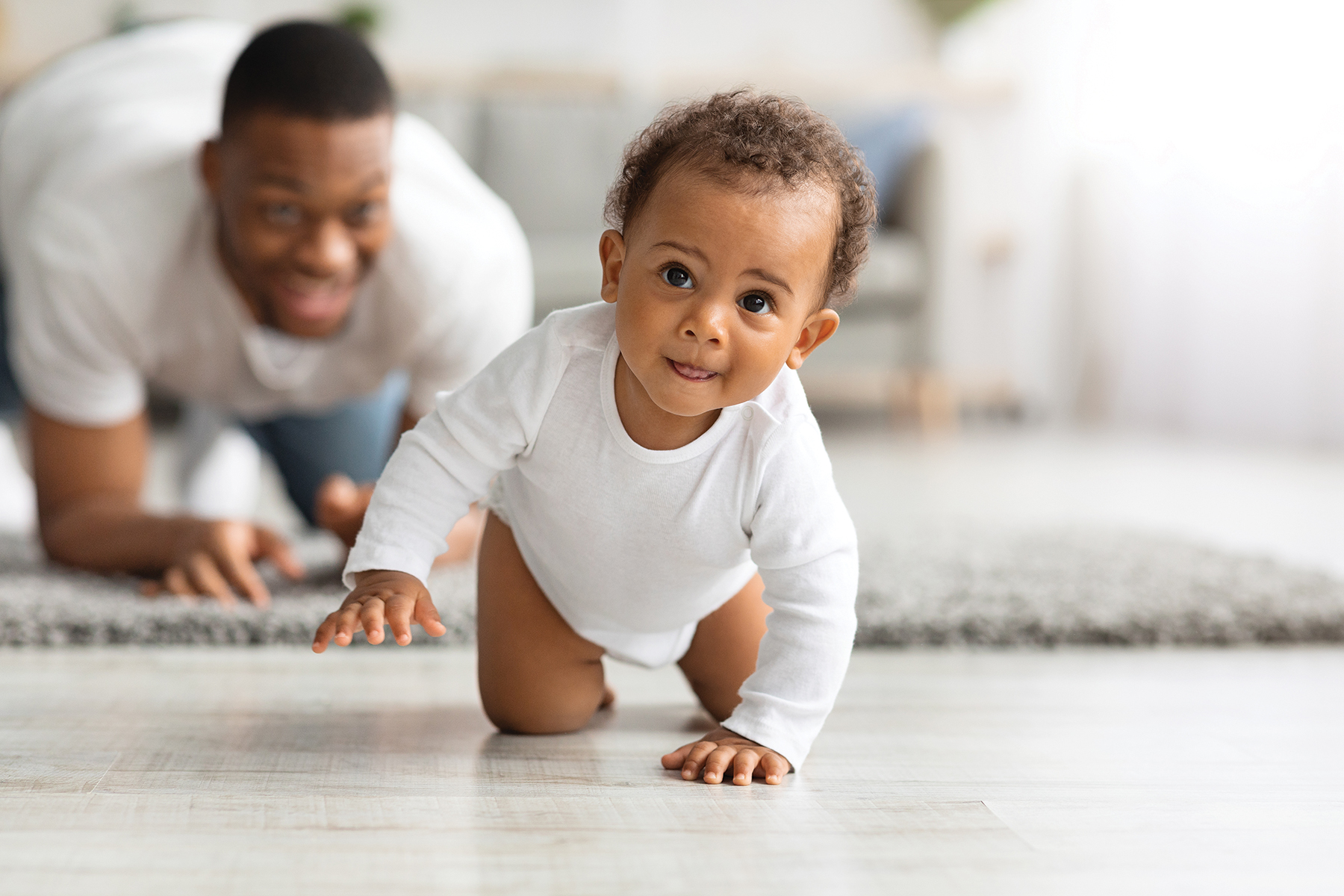
Once mobile, your little one might tackle challenges like a tiny engineer — figuring out how to reach a toy or navigate a pillow maze without giving up. Along with extreme focus, these babies may have exceptional problem-solving skills. And while most babies display problem-solving skills in keeping with developmental milestones, an exceptionally advanced baby will show these skills much earlier than their peers.
What to do: Encourage Baby with simple challenges but don’t push too much. Cheer them on as they figure things out. Accomplishments bring cognitive growth.
4. Happy in Their Own Company
While babies love attention, and some demand to be held, some actually enjoy solo play, happily exploring toys or observing their environment. They won’t mind being set in their little bouncy seat for a bit (as long as they are fed, changed and not fussy) with you just nearby in the other room.
What to do: Let them have safe solo moments, even just a few minutes at a time. Peek in, smile and watch them entertain themselves — they’re learning independence.
5. Boundless Curiosity
All babies explore to learn, but baby intelligence shows up in detective work, examining, experimenting and asking (in their own way) “why?” at every turn.
In The Scientist in the Crib: What Early Learning Tells Us About the Mind (Mariner Books), authors Alison Gopnik, Andrew N. Meltzoff and Patricia Kohl provide clear insight into babies’ natural curiosity and how they actively explore and learn. When you think your little one is going to wear you out because everything is going straight into their mouth, remember they are learning. Babies are active learners — some more intensely than others — seeking out answers about their world.
“The most interesting thing about babies is that they are so enormously interested; the most wonderful thing about them is their infinite capacity for wonder,” says Gopnik.
What to do: Try not to squelch all of the exploration. Provide safe spaces to explore, and join in their curiosity adventures. Your baby learns best when they feel free — and accompanied.
6. High Birth Weight (Surprising but True)
Studies suggest higher birth weight can correlate with slightly higher IQ across life stages. While it’s no 100 percent guarantee, good nutrition during pregnancy and early infancy does help brain development.
And some research supports that higher birth weights may be associated with intelligence.
A 2017 study out of Denmark, published in the medical journal Pediatrics, concluded that the association between birth weight and intelligence is stable from young adulthood into midlife.
What to do: Eat a balanced diet if expecting, breast-feed if possible and introduce brain-friendly foods like avocado and fish once solids begin.
7. Keenly Alert
Some babies notice everything: the family dog, a passing leaf, a familiar voice. They may make eye contact, smile, coo or wave their tiny fists with recognition.
These babies are also aware of loved ones, quickly recognizing and bonding with family members. They’ll make eye contact with you very early on and reward you with a smile or other signs of recognition, like cooing or waving their fists.
“Early focused attention appears continuous with later attentional skills,” says Katharine R. Lawson, a researcher in developmental pediatrics. “It is related to cognitive abilities throughout the preschool years,” she adds.
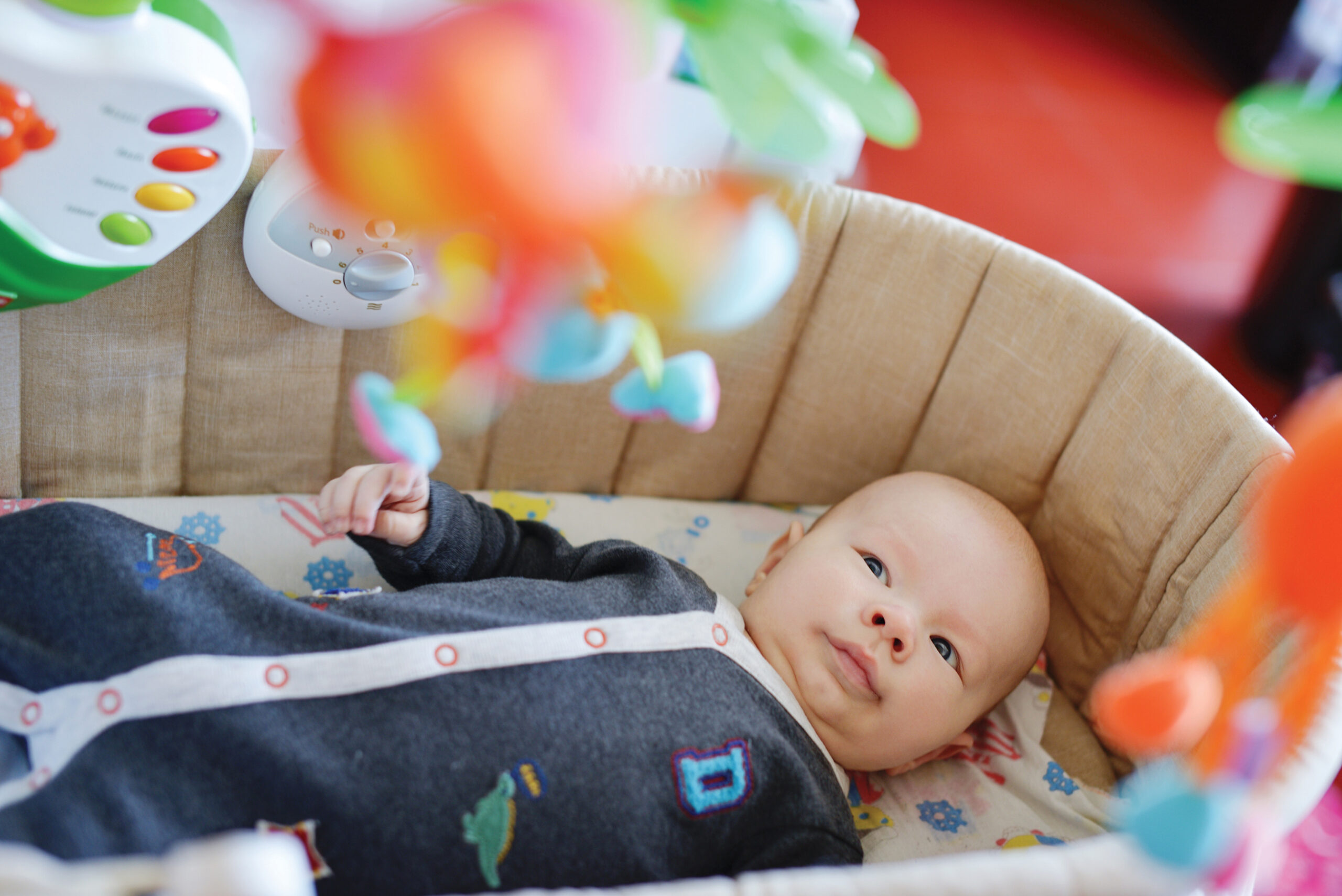
What to do: Support this awareness with a calm, safe environment. If sleep is tricky, use routines, dim lights and gentle white noise to help your alert little one wind down.
Babies may be small, but their brains are mighty. While spotting developmental signs early gives you the chance to foster their needs, you can turn everyday moments into the foundation for lifelong learning for every baby.