
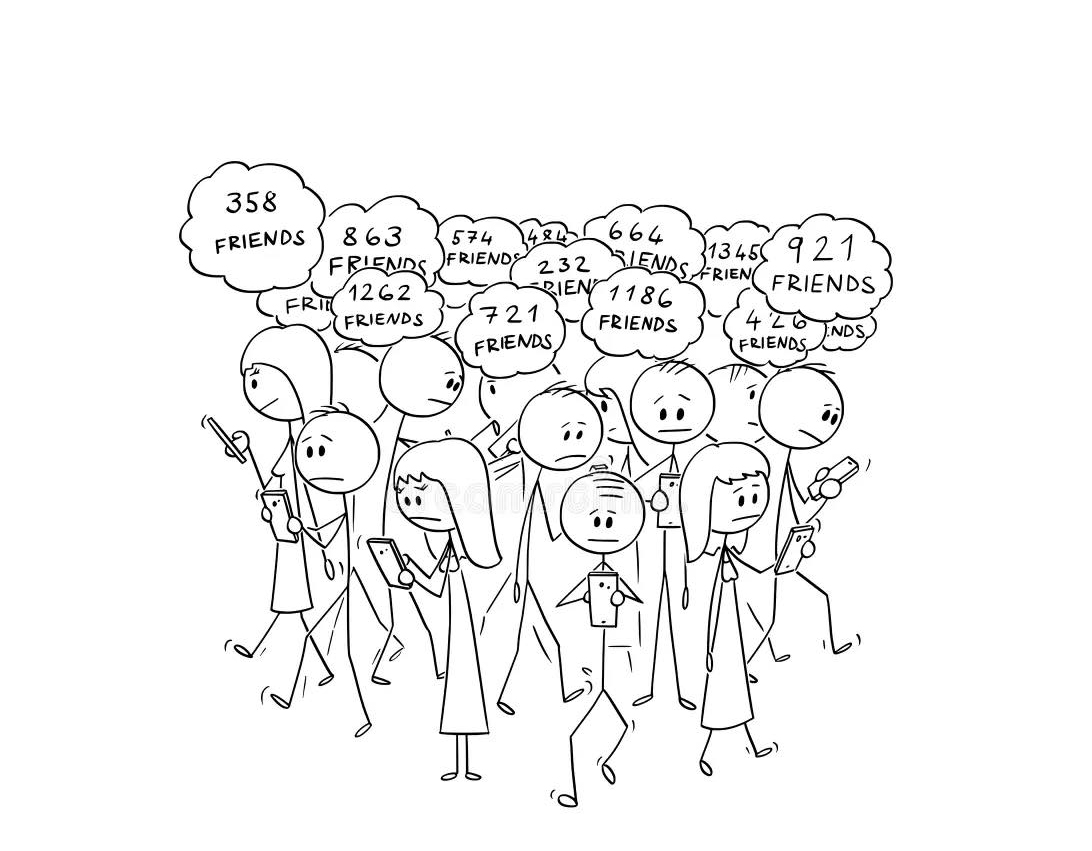
It’s a quiet thing a lot of families feel but don’t always say out loud: Even when we’re together … we’re not always really together.
A lot of parents notice it in small moments. You’re in the middle of a conversation and someone glances at a phone. Or you do. A story starts, but it never really gets going. Everyone’s there — but also somewhere else.
And it’s not just a feeling.
In one recent survey of 2,000 parents conducted by Talker Research, kids had a device in hand during more than half of their conversations with their parents. Most of those parents said they’re worried something important is getting lost in the process.
It’s not hard to see why. It’s not just kids, either.
Most adults feel it too. Conversations with partners, friends, even neighbors get interrupted or drift. There’s always something pulling at our attention — work, messages, the mental list that never really turns off. So we end up in this strange place where we’re technically more connected than ever, but sometimes feel a little alone inside our relationships. And underneath all of that, there’s usually something pretty simple:
We don’t just want to talk.
We want to feel known.
Where This Shows Up for Kids
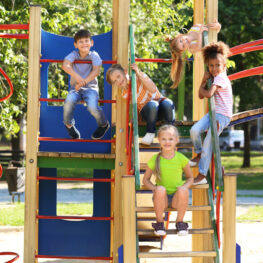
Friendships are one of the places this really matters — and also one of the places kids need the most help, even if it doesn’t look like it on the surface. According to Eileen Kennedy-Moore, a clinical psychologist and author who studies how kids build friendships, a lot of the skills that make friendships work are easy to miss because they happen beneath the surface.
Things like:
— noticing when someone feels left out
— handling it when you’re the one who gets left out
— saying something after a disagreement instead of just letting it fade
— sticking with a friendship when it feels a little awkward or off
Those aren’t things kids just automatically know how to do. And honestly, a lot of adults are still figuring them out, too. This is one of those places where parents can quietly make a difference — not by stepping in or fixing things, but by staying close enough to help kids think things through.
Sometimes that just looks like a small question at the right time:
— “What do you think that felt like for them?”
— “Do you want this to feel better, or just be over?”
— “What might help here?”
Nothing big. Just small nudges that help kids start to see beyond their own point of view.
For Younger Kids: Getting Things Started
With younger kids, friendships don’t usually just happen on their own.
— They need time together — and that time usually exists because a parent made it happen.
Sometimes it’s as simple (and slightly uncomfortable) as reaching out:
“My little boy really likes yours — want to get them together sometime?”
That small step is often the whole reason a friendship even gets a chance to start.
For Older Kids: Stepping Back a Little
As kids grow, your role shifts.You’re not arranging things the same way anymore — but what you do still matters a lot in the background.
Friendships tend to grow in the spaces where there’s:
— time that isn’t rushed
— chances to see the same people again and again
— room to just hang out without everything being structured
In real life, that might look like letting your child invite someone over, even if the house isn’t perfect. Or choosing not to overschedule every afternoon. Or just staying connected to a few families over time. Just making space for something to develop.
Helping Kids Not Give up Too Quickly
One of the hardest (and most important) parts of friendship (and authentic relationships) is learning that it won’t always feel easy. There will be weird moments. Misunderstandings. Times when someone says the wrong thing — or doesn’t say anything at all. Times when you think, “I’m done.” It’s tempting — for kids and adults — to just pull back when that happens. But this is actually where something important can happen. With a little encouragement, kids can try again. Say something. Clear something up. Or just show up one more time.
And sometimes, something kind of surprising happens:
The friendship doesn’t just recover — it actually gets stronger.
Not because it was perfect, but because they worked through something.
In a world that pulls everyone in a hundred different directions, the basics haven’t really changed.
People still need time. Attention. A chance to feel known. And this doesn’t have to be perfect to matter. A few real conversations. A little space to connect. Showing up again. That’s often enough to start building something real.