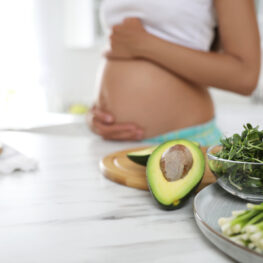


When you’re pregnant, you’re likely already mindful about what you eat — but have you ever thought about hidden ingredients found in everyday products you use on your skin, in your home, or even how your food is packaged?
From cleaning sprays and plastic containers to shampoos, sunscreens, and perfumes, some ingredients in these products can enter the bloodstream and reach your developing baby through the placenta. According to research from organizations like the Environmental Working Group (EWG), certain chemicals — especially endocrine disruptors — may interfere with your body’s natural hormones and, in some cases, have been linked to long-term health effects.
The good news? Small, thoughtful changes in your routine can make a big difference. Whether it’s choosing a fragrance-free lotion or switching to a mineral sunscreen, these swaps can help you feel confident about what you’re using during pregnancy.
Hidden Ingredients to be Mindful of — and what to look for instead:
1. Benzophenone (Often Found in Sunscreens)
Benzophenones, also known as “benzones,” are chemical UV filters used in many sunscreens to protect skin from the sun’s rays. Some types have been studied for their ability to mimic estrogen in the body, which may impact hormone balance with long-term or high-level exposure.
What You Can Do:
Opt for mineral sunscreens with zinc oxide or titanium dioxide, which are considered safe during pregnancy. These options are widely available and often labeled as “benzophenone-free” or “reef-safe.”
Good to Know: Some benzophenone derivatives are restricted in U.S. cosmetics.
2. Parabens (Used as Preservatives in Personal Care Products)
Parabens help prevent mold and bacteria in products like lotions, shampoos, and deodorants. While still approved in many countries, some studies have raised concerns about their ability to affect hormone activity.
What You Can Do:
Choose products labeled “paraben-free.” There are plenty of gentle, affordable options available now that are free from parabens and safe for pregnancy.
Good to Know: The EU has banned certain parabens in cosmetics and baby products.
3. BPA (Bisphenol A – Found in Plastics and Canned Food Linings)
BPA is a chemical used in some food packaging, especially canned goods and plastic containers. It’s known to mimic estrogen and has been studied for potential effects on reproductive and developmental health.
What You Can Do:
Use glass or stainless steel containers for food storage, limit canned foods, and opt for BPA-free packaging whenever possible. Try to minimize contact with printed receipts, which may also contain BPA.
Good to Know: BPA has been banned from baby bottles and infant formula cans in the U.S. since 2012, and the EU has banned its use in food-contact materials as of January 2025.
4. Artificial Fragrances (In Personal Care and Household Products)
Synthetic fragrances are found in everything from lotions and perfumes to laundry detergents and air fresheners. While they may smell lovely, they can contain hidden chemicals like phthalates and benzophenones, which may affect hormone function.
What You Can Do:
Look for products labeled “fragrance-free” or “naturally scented.” Essential oil-based products are a gentle alternative, but be sure to choose oils considered safe for pregnancy.
Good to Know: Many brands now offer fragrance-free and pregnancy-safe versions of popular products.
5. Glycol Ethers (Found in Cleaning Products and Cosmetics)
Glycol ethers, including polyethylene glycol, ethylene glycol, and propylene glycol, are used in various products from moisturizers to household cleaners. Some studies, especially in workplace settings, suggest that long-term or high exposure could impact health.
What You Can Do:
If you’d like to limit your exposure, choose personal care and cleaning products labeled “glycol ether-free” or “pregnancy-safe.” These small swaps can give you peace of mind without overhauling your routine.
Good to Know: Everyday exposure from normal use is generally considered low, but being informed lets you make choices that feel right for you.
Making Pregnancy-Safe Product Choices
There’s no need to feel overwhelmed. Many personal care and cleaning brands now offer non-toxic, natural, and pregnancy-safe alternatives. If you’re ever unsure about an ingredient, it’s okay to skip it or consult your doctor or midwife—especially during pregnancy and breastfeeding.
Safe Swaps to Consider:
-
Use fragrance-free or naturally scented body care products
-
Choose mineral sunscreens (zinc oxide or titanium dioxide)
-
Store food in glass or stainless steel containers
-
Look for paraben-free, BPA-free, and phthalate-free labels
-
Use gentle, plant-based household cleaners
Pregnancy is a special time to care for both your body and your baby. By becoming more mindful of the hidden ingredients in everyday products, you’re taking a positive step toward a healthier environment for both of you. Remember—it’s not about being perfect. Even small changes can make a big difference.