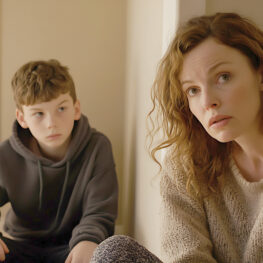

Little kids will hear mommy and daddy talk about it; they’ll hear the word ‘war’ and hear the edge in your voice. The US has bombed Iran and the world waits on edge. But when it comes to war, how do you speak to your older child’s confusion? Or respond to the irritation of your teen? What do you say to a young child?
“There is no ‘one size fits all’ approach for talking to your kids about this or any other catastrophic event,” says Vanderbilt professor of psychology and human development Tedra Walden. Back in 2011, on the 1oth anniversary of 9/11, Walden released the following tips for talking to children about a difficult topic. In keeping with the ‘no one size fits all’ approach, the following tips can apply to talking to kids about any emotionally charged or difficult topic.
How to Talk to Kids About War if They Ask
• Especially for young children, keep it simple and probably short.
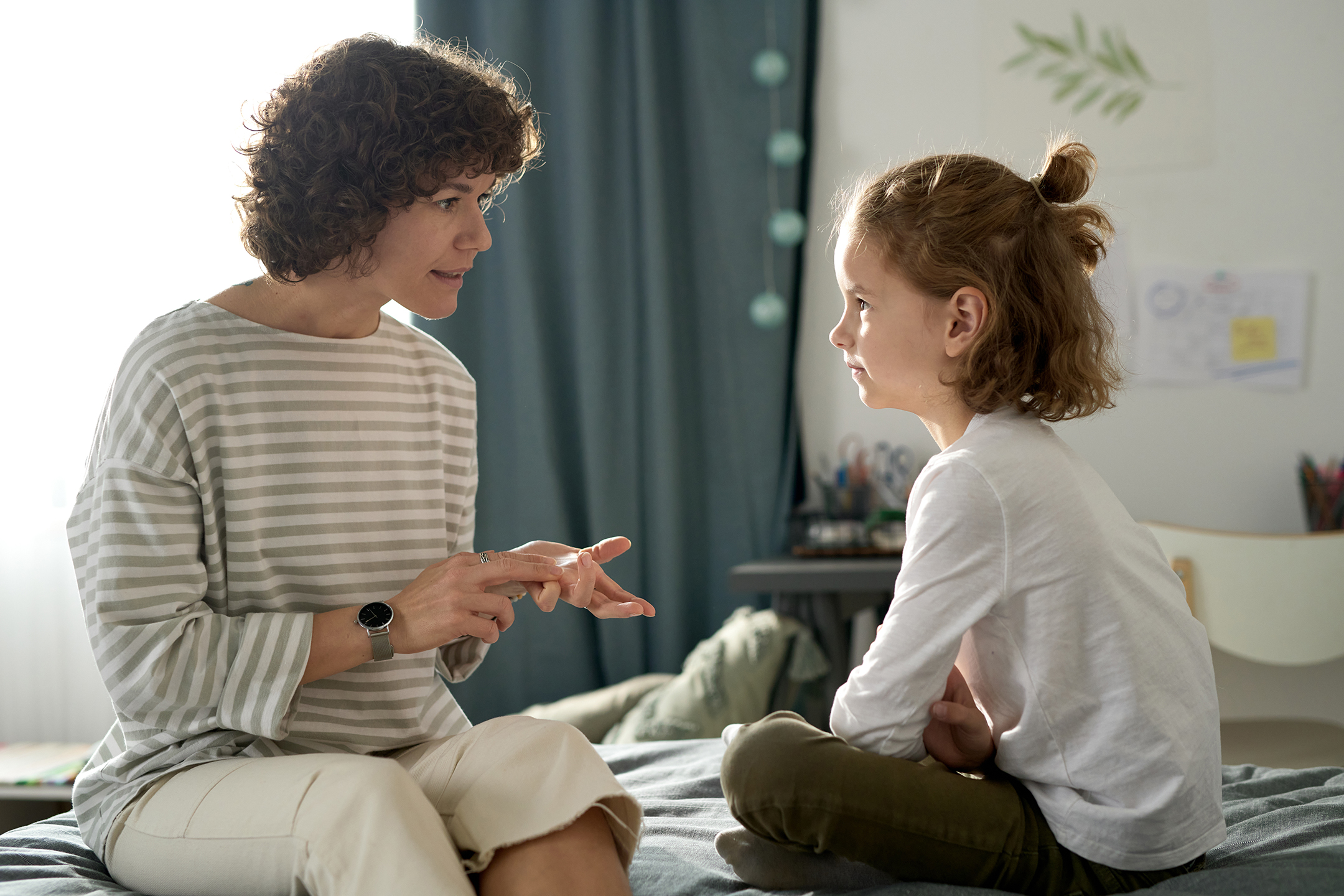
• Listen to your children’s questions and watch their reaction to your answers carefully.
If your child is getting upset, tone down your answers. On the other hand, if your child has increasing curiosity, continue the discussion in order to develop your child’s awareness of unique events.
• Discuss the subject in ways that fit the age and cognitive level of the child.
Very young children who do not yet have a firm grasp on the difference between reality and fiction may be confused. Older children may be interested in discussing causes of the events and the aftermath, and what happens next.
• Be honest and straightforward.
You can talk about your feelings, but gear them toward the child’s level of understanding.
• Children who watch television are more likely to be exposed to alarming descriptions and images.
Depending on the age of your child, limiting exposure can be difficult. If your child is young, you could opt to turn off the television or divert their attention. An older child will probably require more discussion.
Walden reminds parents that in any situation, children often react the way you react.
“If you are upset, then they are likely to get upset. If you are more neutral, then they are likely to respond in a more neutral way.”
The most important thing to remember when talking to children about any tragic event, Walden says, is to focus the conversation toward the child’s level of understanding. Stay calm and watch for signs of stress in your child.
Discover More Helpful Parenting Stories