
On Wednesday mornings, I take my granddaughter to story time at the library. As we settle in, surrounded by children and parents, I realize this is a third place for her.
She’s only 3 — she doesn’t have work like I do — but this library is a space away from home where we come intentionally to enjoy ourselves, connect with community and experience something bigger than our daily routines. We sing songs, do finger plays like “Where is Thumbkin?” and hear stories. The toddlers stare at each other sometimes — it’s what they do. For them, these simple interactions — just 30 minutes a week — build early social skills and help them learn to engage with the world.
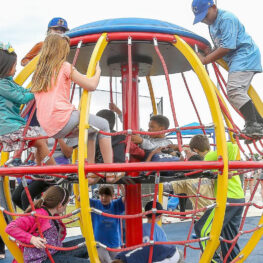
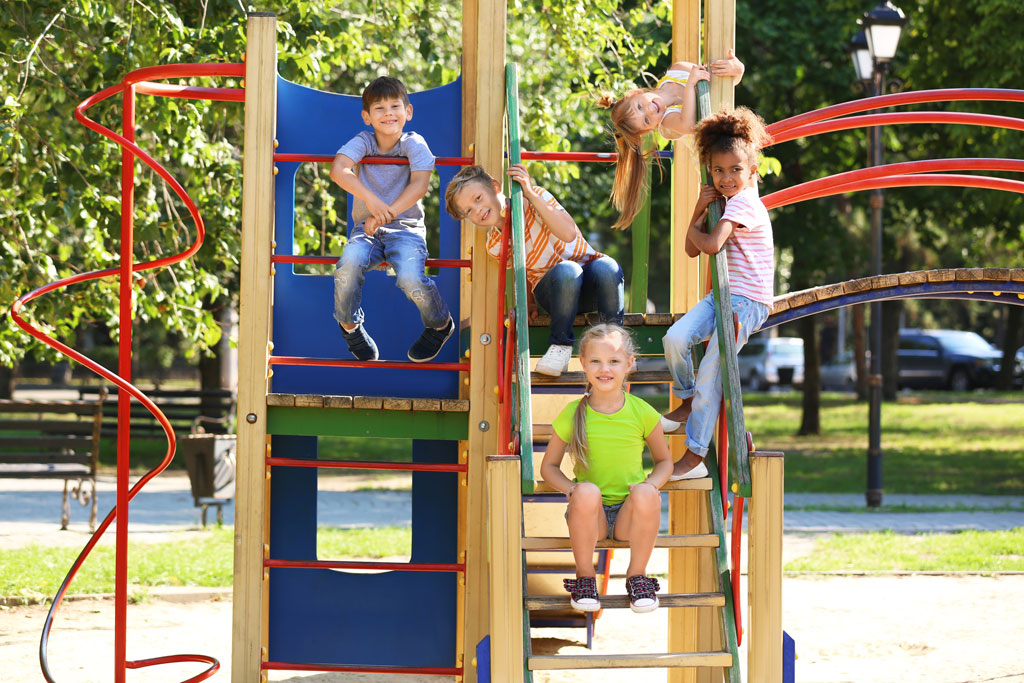
But third places are much more than a library. They’re parks, playgrounds, cafés, barbershops, gyms, community centers — anywhere you can gather regularly outside of home and school or work to enjoy yourself. And for kids today, it’s essential. Third places are essential for us all.
What’s a Third Place?
The concept of the “third place” comes from sociologist Ray Oldenburg, who defined third places as social environments outside of home and school that foster belonging, conversation and community.
A child’s first place is home. Their second place is school. Their third place is somewhere else — a space where they can relax, connect and be themselves. Plenty of child-development voices today are talking about how much kids need real-world interaction, community and unstructured connection.
“Children today often crave real-world interaction, meaningful friendships and unstructured fun — but are instead steered toward screens because they lack accessible spaces and opportunities for genuine connection,” says Jonathan Haidt, social psychologist and author of The Anxious Generation.
For many parents, letting kids be on a screen is an easy fix. And screens aren’t the enemy, but when they become the default space for how children spend their time, it’s usually because they don’t have another space where they are welcome to connect, play and belong.
The defining feature of a third place is a sense of belonging. In a third place, kids can be seen and heard, try new things and interact with peers and mentors outside the home. These experiences help children come out of their shells, find their voice and develop confidence.
Third Places Are Vital for Good Mental Health
Human connection isn’t a luxury — it’s a necessity. We are all wired for interaction, so when kids or adults are isolated, mental health suffers.
Playing on devices may give the illusion of connection, but it rarely provides the same sense of community or safety that in-person interaction does. Third places, by contrast, offer a structured, welcoming environment where kids can take risks, learn cooperation and feel part of something larger than themselves.
During the COVID-19 lockdowns, when concerts, libraries, sports and everything else shut down, mental health suffered dramatically. Anxiety, depression and loneliness surged. Even today the effects linger: in 2024, the American Psychiatric Association reported that one in four Americans felt lonelier than before the pandemic.
For kids, the consequences are particularly stark. Growing up is the time for developing social skills, independence and identity, and each moment matters. Without third places, kids can become withdrawn or hesitant to engage, missing opportunities for growth.
The Power of Third Places for Kids
Third places give kids a chance to explore the world outside their homes in safe, structured ways. They offer:
— Social skill development: Learning to share, negotiate, etc.
— Confidence building: Trying new activities without fear of judgement
— Belonging: Being part of a team, club or group creates identity
and purpose
— Emotional strength: Experiencing successes, failures and friendships helps children cope with life’s ups and downs
Even consistent, small weekly outings — like a library story time — can help a child blossom. Children often will start out shy or hesitant, but repeated exposure (and encouragement) allows them to interact, laugh and take part in something bigger than themselves. That’s the magic of a third place: it gets kids into the world. And then you keep seeking third places for them as they grow.
Finding The Third Place
You play a crucial role in helping your kids discover third places that suit their interests. So, intentionally seek out variety, taking your kids to different activities so they can find the spaces they love.
And look at each of your kids as individuals. One might thrive on the baseball field, another at a horse barn. Help them find what they love, then encourage it. Attend the first few sessions if needed, then let your child gradually take ownership of their social interactions. And be patient: Forming meaningful relationships takes time. Encourage regular attendance to help them feel comfortable.
Third Places in Action
Third places take many forms, reflecting the needs and interests of each child. Families can experience third places together by getting out in public more and diving in to what the community has to offer. The point is, a third place is not home and it’s not work. It’s time for being out in the world and a part of something you all enjoy — that’s great for mental well-being.
Why It Matters
So, whether it’s a library, play café or race track, third places are where kids can find themselves, connect with others and thrive — and where good mental health finds its roots.
Most importantly, try not to make your child’s third place a screen. Screens don’t teach boundaries. Screens don’t teach emotional regulation. And screens don’t teach the helpful salve of community.