

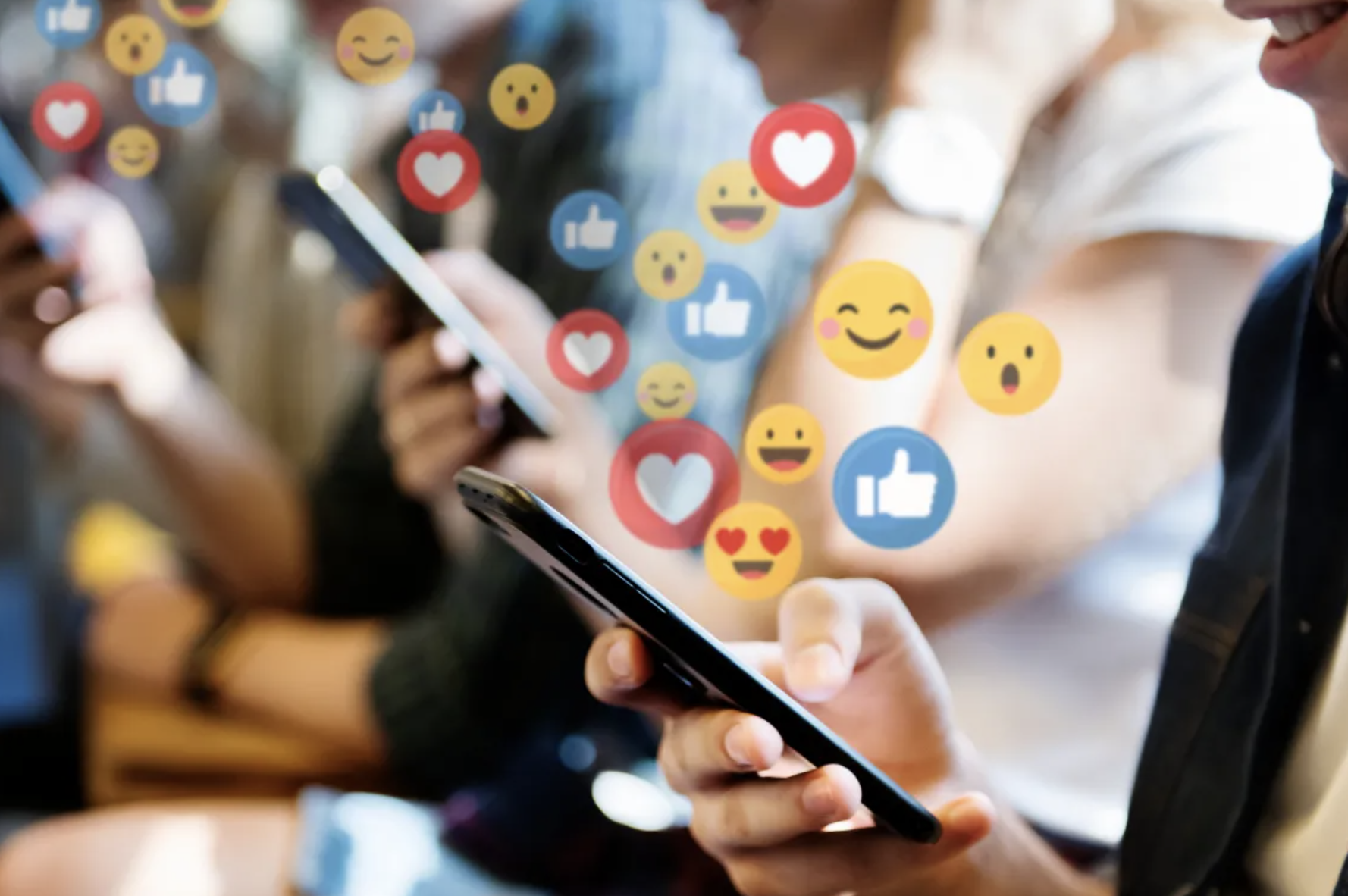
Kids and screens … sigh. If you’ve ever found yourself standing outside your child’s bedroom door wondering whether they’re actually sleeping or just deep into a TikTok scroll, you’re not alone. Around the world, parents — and governments — are asking the same question: How much social media is too much for kids?
Kids, Screens and the Worldwide Wake-Up Call
Right now, Australia is the only country that has fully rolled out a nationwide ban on social media use for anyone under 16. That’s a big step. But it may not be the last.
Across Europe, the European Parliament has called for the European Union to consider setting minimum age requirements — under 16 — for social media platforms and AI chatbots. Each country will ultimately decide how to apply those rules, but the message is clear: this conversation is gaining momentum.
In France, the French National Assembly recently approved a bill that would ban social media for children under 15, pending Senate approval. Spain and Greece have proposed similar measures. Meanwhile, discussions are underway in Turkey, Germany, the United Kingdom, and India — which recently tightened rules requiring social media companies to remove unlawful content within three hours.
In Denmark, Norway, and Slovenia, leaders have signaled plans to implement bans for children under 15. Malaysia has said it would move toward a ban for those under 16.
Here in the United States, there’s no federal ban — but several states, including Arkansas, Ohio, Florida, and Nebraska, have passed their own restrictions, though many are being challenged in court.
So Why All the Movement?
A growing body of research suggests that heavy or “problematic” social media use — especially when kids feel unable to stop or experience anxiety and irritability when they try — is linked to poorer mental health outcomes. A major new study from the University of California found that the connection between compulsive screen use and mental health challenges may be even stronger than previously thought.
Social psychologist Jonathan Haidt (author of The Anxious Generation and more), is a vocal advocate for delaying kids’ access to smartphones and social media. Haidt has described what he calls a “flood of new research” pointing to direct harms. He argues that the evidence is now “abundant, varied, and damning.”
Kids and screens. Take a Breath.
It’s easy to read all of this and feel a wave of worry — or even guilt — wash over you. But here’s the reassuring truth: parenting in the digital age isn’t about perfection. It’s about intention.
You don’t have to solve global tech policy at your kitchen table. What you can do is create clear, loving boundaries at home. And delay giving that first phone. You can keep devices out of bedrooms at night. And you can keep conversations going openly — and often — about what your child is seeing and feeling online.
And perhaps most importantly, you can remember that you are not alone in this. Parents across the globe are navigating the same terrain, asking the same questions, and advocating for healthier childhoods.
Social media may be everywhere — but so is thoughtful parenting.
Discover More Outstanding Parenting Content