
Is it real or is it AI? We’re always asking today and it’s becoming harder to tell. Artificial intelligence can write essays, create artwork, compose music and generate videos that look astonishingly real. For parents, that’s both fascinating and a little unsettling. Because we care about our kids’ futures. And if computers can do all of that, what will make your kid stand out?
The answer may be surprisingly simple: their humanity.
As AI becomes part of everyday life, the qualities that make us uniquely human — creativity, empathy, imagination, collaboration and emotional expression — become even more valuable. And those are exactly the skills children build through the arts.
In other words, the arts aren’t becoming less important. They’re becoming essential.
For years, fine arts, music, dance and theater have sometimes been treated as “extras” after math, reading and science. But in an AI-driven future, they may be some of the most important experiences your child can have.
A computer can generate a painting in seconds. It cannot experience joy while creating one. It can write a song, but it can’t feel heartbreak, excitement or hope. It can imitate a performance, but it can’t connect with an audience the way a child stepping onto a stage can.
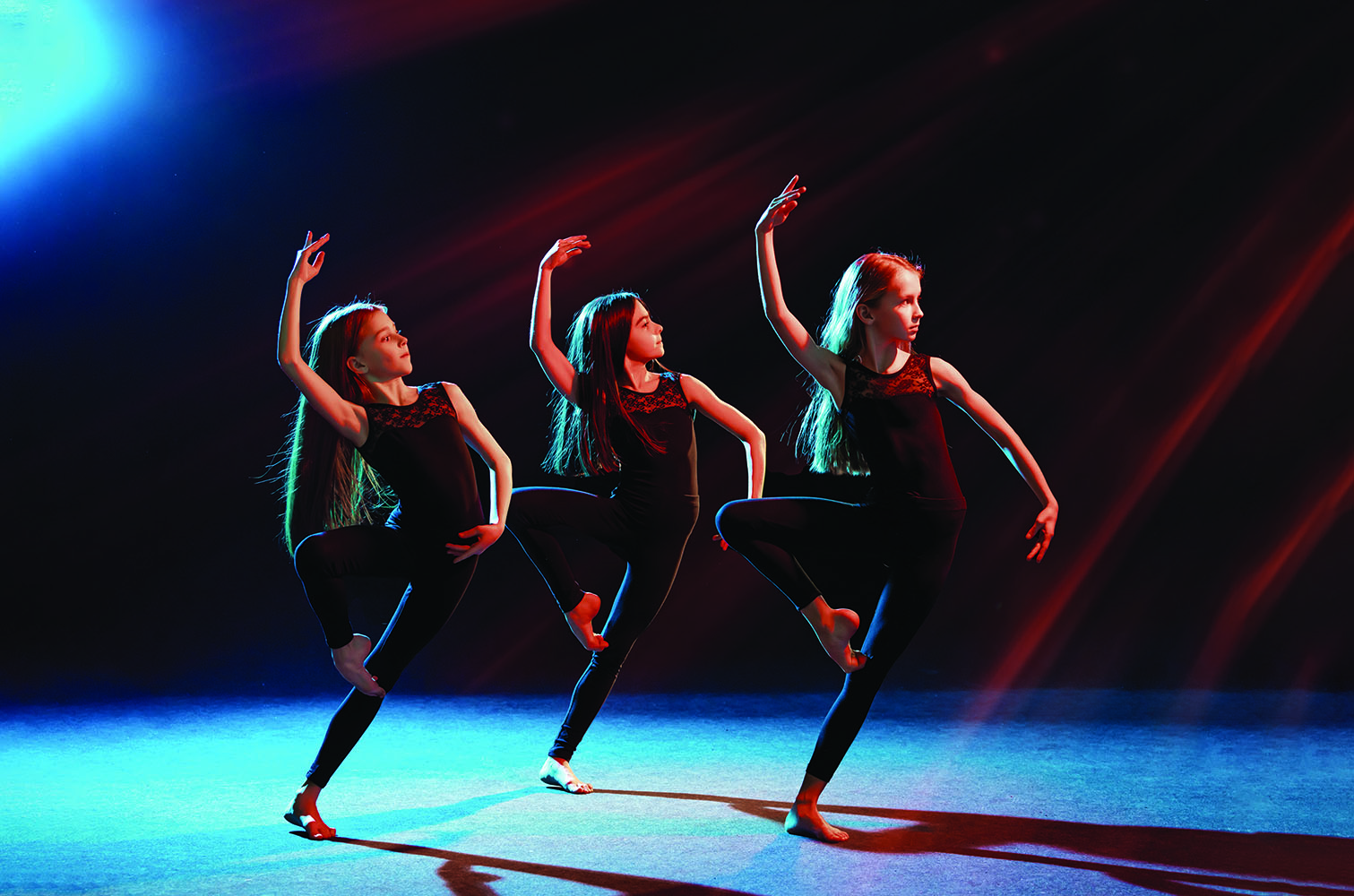
Whether your child is dancing in a recital, singing in a choir, painting on a blank canvas or performing in a school play, they’re learning something no machine can duplicate: how to communicate, collaborate and create from genuine human experience.
Why Creativity Matters More Than Ever
Researchers say the elementary years are a critical window for developing imagination and creative thinking. Curiosity, experimentation and imaginative play naturally flourish during childhood, but without opportunities to practice them, those abilities can fade over time.
Experts increasingly argue that preparing children for an AI-filled future means strengthening the qualities technology can’t replicate — creative thinking, problem-solving, emotional intelligence and teamwork.
Programs that integrate drama, music, movement and visual arts into everyday learning help children build those lifelong skills while making learning more engaging and memorable.
Can the Arts Actually Make Kids More Social?
Yes — and the research is encouraging.
Children who participate in dance, music, theater and visual arts aren’t simply learning artistic skills. They’re also practicing listening, cooperating, sharing ideas and working toward a common goal.
A review by the National Endowment for the Arts found that children who regularly participate in dance develop stronger prosocial behaviors — including cooperation and empathy — while showing fewer anxious and aggressive behaviors. Research also shows that arts experiences engage multiple areas of the brain, strengthening learning across many domains.
Do the Arts Help Kids Do Better in School?
They do. Studies consistently show that kids involved in arts education often perform better academically than their peers. Research published in the Journal for Learning through the Arts found that students taking more arts classes earned higher verbal, math and overall SAT scores. Additional research suggests those benefits extend beyond test scores by strengthening reasoning, critical thinking and cognitive development over time.
Arts experiences also reinforce learning in everyday classroom subjects:
• Math: Drawing, sculpture and design strengthen pattern recognition, geometry and spatial reasoning. Music and dance reinforce counting, rhythm and sequencing.
• Science: Art encourages experimentation, observation and creative problem-solving — the same skills scientists rely on.
• Reading and writing: Storytelling, drama and music expand vocabulary, strengthen communication and improve literacy.
• Social-emotional learning: Theater, dance and collaborative art projects teach teamwork, empathy, decision-making and healthy emotional expression.
One long-standing finding is especially striking: kids highly engaged in the arts are four times more likely to be recognized for academic achievement and four times less likely to drop out of school.
Tennessee Kids are Learning the Arts … Kind Of
Arts education isn’t optional in Tennessee’s public schools. State law requires public schools to provide both visual art and music instruction for kids in kindergarten through eighth grade. High school students must also earn one Fine Arts credit to graduate, which may include visual arts, music, theater or dance. But is that enough? In this writer’s humble opinion, it’s not.
Every Child is an Artist
You don’t have to raise the next Taylor Swift or Misty Copeland for the arts to make a difference. Children naturally create. They tell elaborate stories with stuffed animals. They dance in the living room. They hum made-up songs. They cover the refrigerator with colorful masterpieces.
These moments aren’t just adorable — they’re building brains.
Through the arts, children learn confidence, resilience, communication and self-expression. They discover there isn’t always one right answer. They learn to take risks, solve problems and share ideas with others.
Those are the very skills that will continue to matter no matter how much technology changes.
The Creative Home
• Put on music during dinner cleanup and have a five-minute family
dance party
• Play music regularly, all kinds of it, your preferences and your kids’ preferences
• Turn bedtime stories into mini theater productions with silly voices
and homemade costumes
• Leave paper, markers, paint or clay where kids can create when
ever inspiration strikes
• Visit local museums, concerts, community theater performances
and art festivals — many offer free family days
• Encourage pretend play with cardboard boxes, blankets and imagi-
nation (still beats most toys)
• Celebrate effort instead of perfection. Ask, “Tell me about what
you made,” instead of, “What is it?”
Raising Humans in an AI World
Artificial intelligence will continue to reshape how we live, learn and work. But it cannot replace imagination. It cannot teach compassion through a theater performance, confidence through a dance recital or friendship through singing together in a choir.
As technology becomes more capable, helping kids stay deeply connected — to themselves, to one another and to their own creativity — may be one of the greatest gifts you can give them.
In the age of AI, raising creative, compassionate humans isn’t just nice. It may be the ultimate competitive advantage.