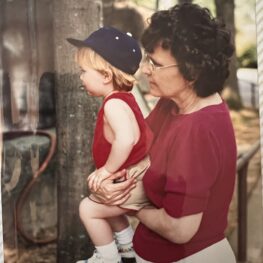

On Wednesday mornings, I take my 2-year-old granddaughter to storytime at our local library. It’s sweet and slightly chaotic — a gathering of moms, nanas (like me) and eager, wiggly toddlers clustered outside the Story Room. When the doors open, we all scurry in because it’s so crowded. We get floor mats, then settle in. For 30 minutes, we sing songs, do fingerplays and listen to stories. Some kids snack, others fidget or wander off, only to be gently coaxed back by a parent.
Afterward, the children spill into the side-long play area — a toy kitchen, a dollhouse, firetruck benches, train tables. There’s lots of movement and curiosity, but not a lot of talking between the kids. That’s because toddlers don’t really “play together” yet — they play next to each other. It’s perfectly normal developmentally, but it’s also a powerful reminder: friendship doesn’t just happen. Children need help learning how to connect.
- READ MORE! Surviving Mean Girls
And here’s the truth: if we, as parents, don’t gently guide them — if we don’t help them say, “Hi” or show them how to include someone else — they likely won’t do it on their own.
This doesn’t just apply at age 2. As kids grow and move into preschool, elementary school and beyond, the need for meaningful friendships deepens. These relationships will shape so much of their emotional world — how they see themselves, how safe they feel at school or anywhere and whether they feel they belong. Your kids need a friend they can talk to; friendship is more than just having someone to sit with at lunch. It’s about trust, kindness and being known and accepted. A real friend is someone who laughs with you, sticks by you and lifts you up when life gets hard. And sadly, not every child your kid meets will be that kind of friend.
Some kids — with issues unknown — will lash out, exclude others or act in ways that make school and social situations difficult. It happened to me.
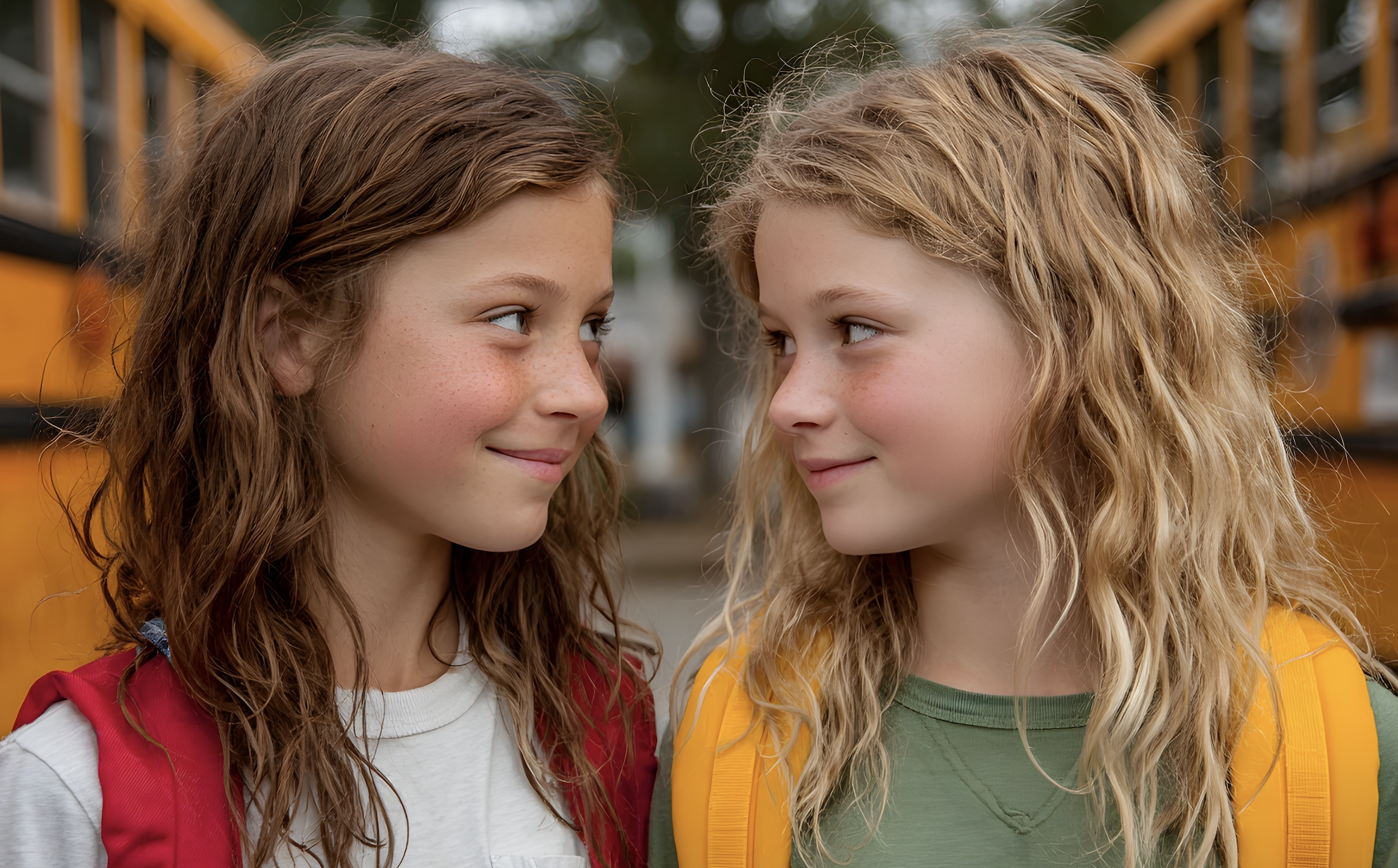
I remember my best friend from elementary school — Janet Maier. We were close and comfortable, always at each other’s houses, always side by side at recess. But in fourth grade, a new girl moved in right next door to Janet. Overnight, everything changed. Suddenly, Janet didn’t sit with me on the bus. Michelle, the new girl, had claimed her — and I was left out. And Janet just let herself get pulled away. I never fully understood what happened, whether Michelle told lies about me or the moms knew each other or what. All I knew was that it hurt. That’s the thing about friendship — it matters. Deeply. And the absence or betrayal of it leaves a mark.
We can’t force friendships for our kids, but we can help create the space for them to form. Around ages 3 to 4, kids begin to develop the skills to play with each other rather than just alongside. That’s the time to encourage those early social steps — invite a new friend over, linger a little longer at the park. And as they get older, keep paying attention. If your child goes quiet, pulls back or seems off, especially during the school years — check in. Chances are, something might be happening in their friend world. Be curious, not judgemental, just concerned. Ask gentle questions. Be their safe place.
And set up playdates, host movie nights, drive carpools. Watch how your kids are being treated. Watch how they’re treating others, too.
It begins on library rugs and playgrounds, at kitchen tables and birthday parties — with us nearby, cheering them on, helping them develop the courage to say, “Hi.”
READ MORE!
Moms, Hold Onto Friendships After the Baby Arrives