
Hey, parents! Your kids will be delighted to learn that the Masai giraffes are returning to Nashville Zoo on Friday, June 20 with a special ribbon cutting scheduled for 9:30 a.m. And that’s not all … the BIG DEAL is that the giraffe’s return is part of a brand new adventure at the Zoo as the much-anticipated Leopard Forest opens — the zoo’s wildest exhibit yet!
Nashville Zoo’s Leopard Forest Grand Opening June 20
Get ready to stroll through a magical, immersive jungle filled with critically endangered Amur leopards, colobus monkeys, De Brazza’s monkeys, klipspringers, and, at the end of the Leopard Forest — your favorite long-necked friends, the Masai giraffes!
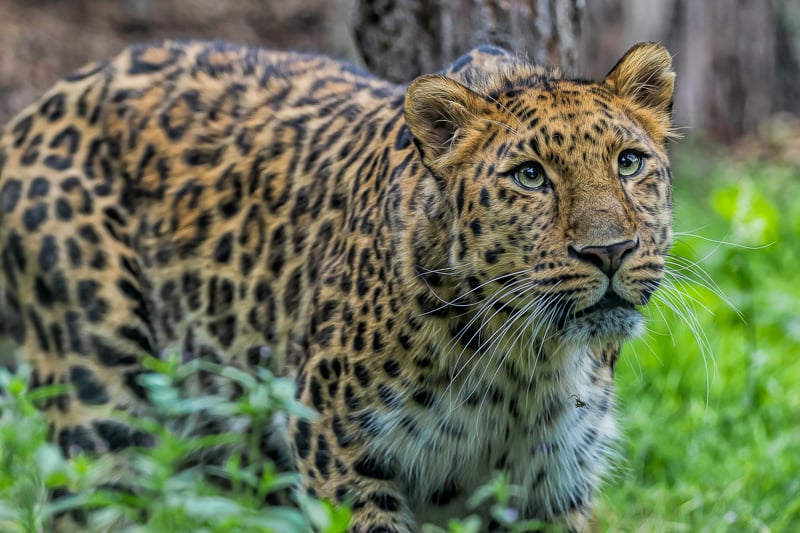
Look for the world’s most endangered big cat species, the Amur leopard in the Leopard Forest.
Your Kids Will LOVE:
-
Walkways that take you inches away from the world’s rarest big cats
-
Super-cool animal sculptures and colorful art installations
-
Touch-and-feel learning stations that make education fun
-
A chance to snag a free Leopard Forest bandana (first 2,000 visitors!)
Join in at the Zoo for the ribbon cutting scheduled for 9:30 a.m. and be among the first to explore the Zoo’s biggest African expansion.
Leopard Forest isn’t just an epic day out — it’s part of the Zoo’s mission to save endangered species and protect the planet. So, when you visit, you’re helping support global wildlife conservation.
Nashville Zoo is located at 3777 Nolensville Pike in Nashville. Entry is timed. Admission is adults or teens 13 and older $24; ages 2 – 12 $20; children under 2 are free. Get more details about Leopard Forest, its residents and Nashville Zoo’s ongoing efforts to save endangered species here.
MORE PHOTOS!
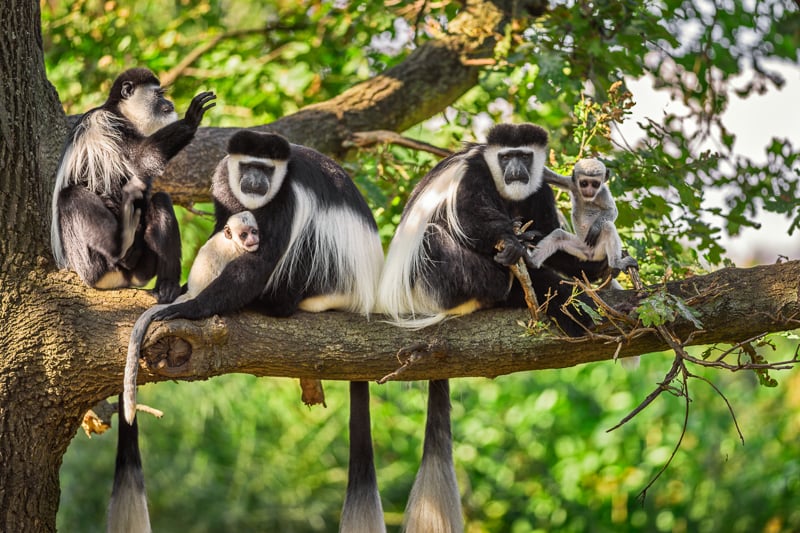
Black-and-white colobus monkeys are native to the forests of central and eastern Africa.
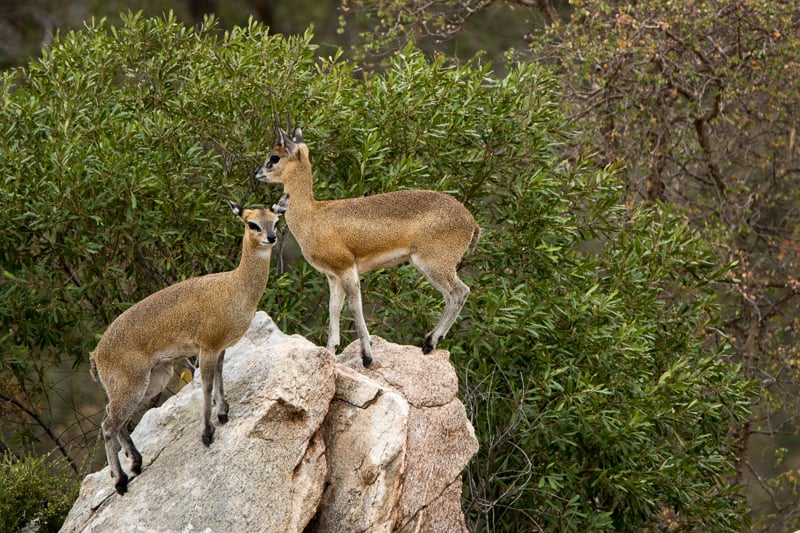
Klipspringers are native to rocky outcrops in Africa.
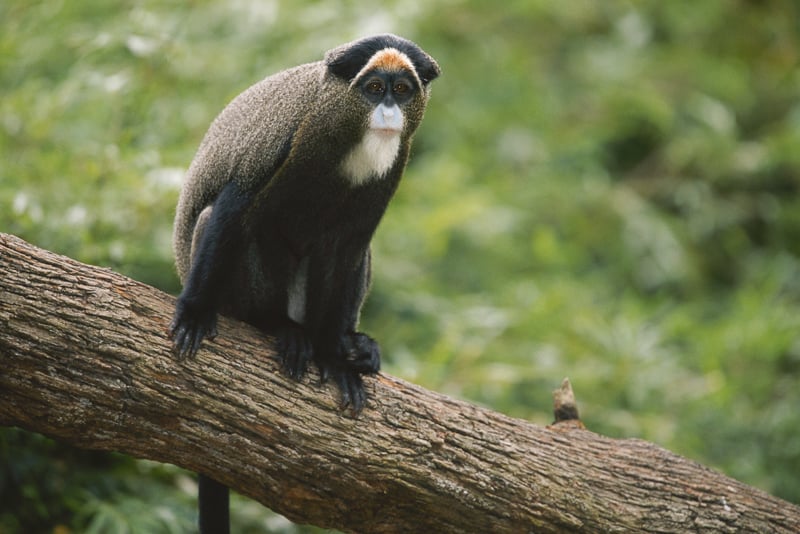
DeBrazza’s monkeys are found in the forests and wetlands of central Africa.
Discover More Great Things to Do!