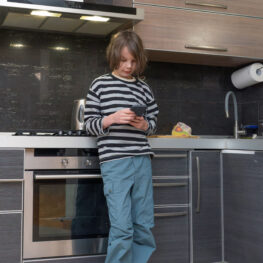


In today’s high-tech world, it’s easier than ever for kids to lose sleep over screen time. It’s time to wage the sleep battle. Smartphones, tablets, and other devices may seem harmless at night — but they can significantly disrupt your child’s sleep patterns, mental health, and overall well-being.
If you want your children to thrive, you need to take a stand. Experts say to pick our battles with kids, and the sleep battle is one worth waging. As parents, it’s your responsibility to set boundaries that prioritize healthy sleep habits over late-night scrolling.
Here are four simple but powerful ways to protect your child’s sleep — and their future — by managing nighttime technology use.
 Sleep Battle Plan
1. No Phones in the Bedroom: Protect Their Sleep First
Let’s start with the most crucial rule: Keep phones and screens out of the bedroom at night.
Blue light from screens suppresses melatonin production, which delays sleep onset and reduces sleep quality. Kids scrolling through TikTok or Snap chatting friends late at night are not only cutting into their rest but also increasing anxiety, distraction and mental fatigue.
Create a tech-free sleep zone by having your kids “say goodnight” to their devices. Set a curfew for turning in phones and place a charging station in a common area of your home — far away from their pillows. Even if they say they will put it away at a certain time (they probably won’t), The American Academy of Pediatrics found that sleeping with a cell phone near you is worse than falling asleep with the television on.
Need an alarm clock? Go old school. Don’t let your child convince you they “need” their phone to wake up.
“We have truckloads of research showing how destructive technology is to sleep,” says Lisa Damour, a clinical psychologist and the author of The Emotional Lives of Teenagers. She is adamant that no one — adults included — should have a phone in their bedroom at night.
2. Limit the Data Plan: Reduce the Temptation to Stay Up Late
Unlimited data may be convenient, but it gives kids unrestricted access to the internet — day and night. If you’re serious about helping your child sleep better, then limiting their data usage can make a huge difference.
Consider a shared family data plan where each member gets a certain amount. If your child uses up their portion — especially by staying up late on social media — shut off their access until the next cycle. Teaching self-control is more important than giving in for convenience.
Kids don’t need 24/7 connectivity; they need boundaries to preserve their health. Besides, the American Academy of Pediatrics has said that insufficient sleep is one of the most pressing health risks in adolescents, pointing to consequences like impaired mood and attention and diminished impulse control.
3. Check Devices Occasionally: Know What Might Be Keeping Them Up
Handing a smartphone to a preteen without supervision is like handing them a car with no brakes. While trust is important, tech freedom without accountability can quickly lead to harmful habits — especially at night.
Check in on their messages and social media accounts from time to time. You don’t need to hover daily, but periodic check-ins let them know you’re involved and paying attention. Knowing you’re watching makes them think twice before using devices late into the night.
Remember: You’re not just protecting their privacy — you’re protecting their health and well-being, and that includes good, consistent sleep.
Subscribe to our weekly Newsletter for parenting tips, top things to do, our #WINSday contest and lots more!

4. Ban Phones at the Dinner Table: Strengthen Family Bonds Before Bed
Mealtimes — if and when you can sit down together — are one of the few consistent opportunities to connect as a family and wind down before bedtime. Screens at the table steal that chance.
Make a hard-and-fast rule: No devices during meals, whether at home or in a restaurant. Model the behavior you want to see — this rule applies to adults, too.
Instead of scrolling, use dinner to talk, laugh, and reconnect. A strong family bond helps kids feel secure, which contributes to healthier sleep habits, especially in a world that’s constantly buzzing with digital distractions.
Your Child Needs Sleep More Than Screen Time
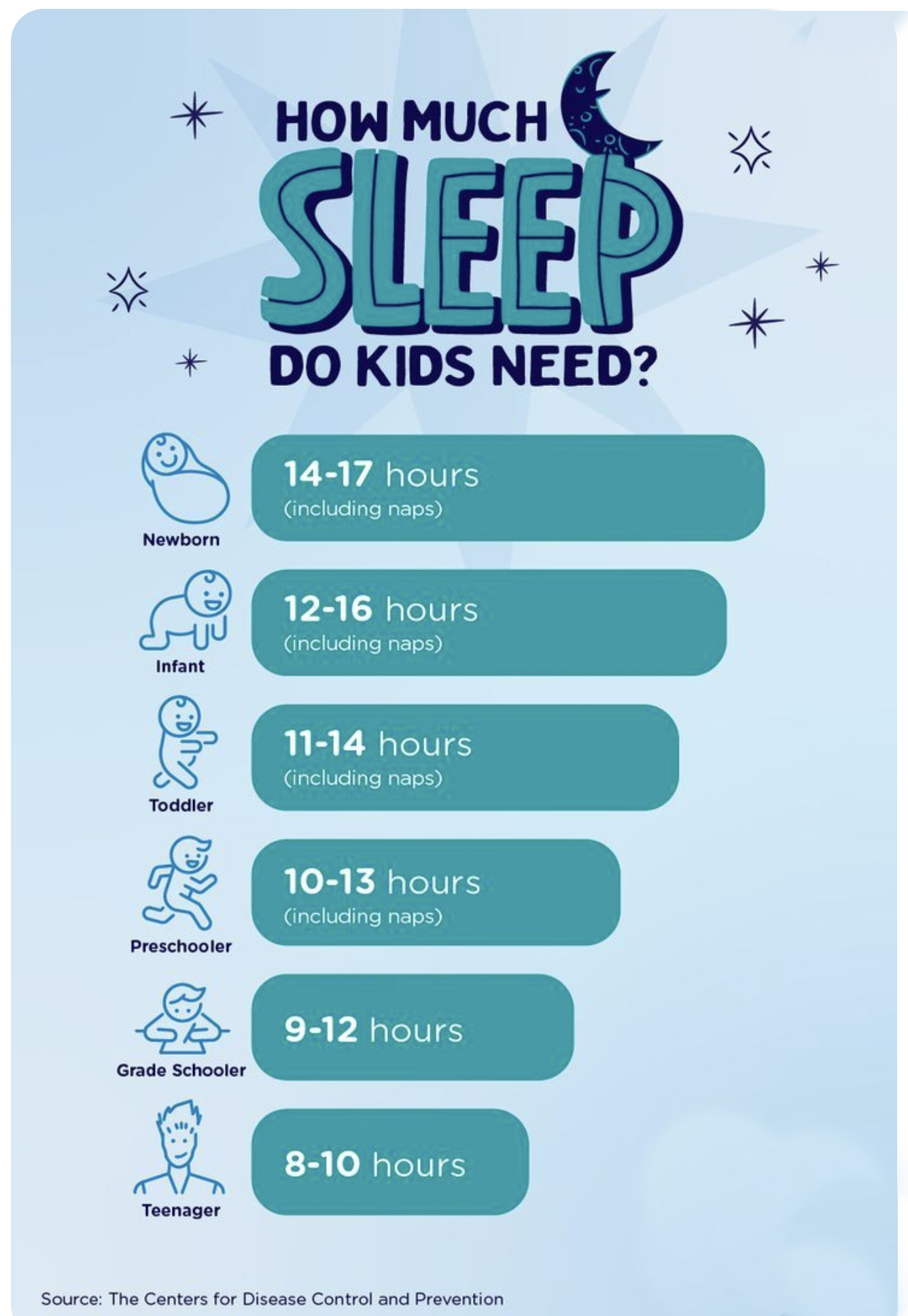
Kids need 8–10 hours of quality sleep every night to support their growth, emotional regulation, and academic performance. When smartphones become sleep disruptors, it’s time to draw the line. Author/psychologist Lisa Damour says that insufficient sleep is a major factor that contributes to grumpiness, difficulty focusing and even feelings of sadness and hopelessness in teenagers.
As parents, we’re not just setting rules — we’re shaping habits that will follow them into adulthood. It’s OK if they push back. It’s OK if they don’t like the boundaries. What matters most is giving them the structure they need to thrive.
So what screen-time battles are you willing to fight to protect your child’s sleep?
 READ MORE!
Are Devices Ruining Your Family Life?
Kid Sleep: Fast Tips, Better Nights