
 or a generation of women raised to expect equality in their careers, the reality at home has often told a different story. Even in dual-income households, moms have remained the default parent — managing schedules, remembering everything, anticipating everyone’s needs and carrying the invisible weight of family life. But that dynamic is no longer quietly accepted.
More and more mothers are at a turning point — not just feeling burned out, but deciding something has to change. And what they’re asking for isn’t help. It’s partnership.
This shift toward equal parenting isn’t about doing less. It’s about refusing to do it alone — and expecting a fully engaged partner in raising children, managing the household and sharing the mental load.
 The End of the “Default Mom” Era
If you’ve ever been the one who knows when the next pediatrician appointment is, which child needs new shoes and what day spirit week starts — you’ve lived the reality of the “default parent.” For years, that role has fallen overwhelmingly to mothers. It’s not just the physical tasks. It’s the mental load — the constant, invisible work of planning, organizing, remembering and problem-solving. And this has been true whether you were/are a stay-at-home mom or a working mom.
It’s being “on” all the time. And that’s where the real exhaustion lives.
Parenting today has only intensified the pressure. Today’s moms are expected to be emotionally present, developmentally informed, socially aware and logistically flawless. The standard isn’t just care — it’s optimization. In fields like sociology, this is often described as “intensive mothering”— the expectation that mothers should pour extraordinary time, energy and attention into every aspect of their child’s life and be on top of all of the issues.
For many women, that expectation — combined with careers and daily life — has led straight to burnout.
But what’s different now is this: instead of internalizing the pressure, mothers are questioning it — and refusing it.
From Awareness to Expectation
Moms have been talking about the mental load for years. What’s changed is what comes next. They’re no longer just naming the imbalance — they’re saying, “I won’t carry it alone.”
More women are entering parenthood (or negotiating it prior to childbirth) with a clear expectation: raising children is a shared responsibility, not a default assignment. It’s a “we both made this baby; I grew this baby in my body; now we’re both caring for this baby” moment.
That means:
• shared decision-making
• shared emotional labor
• shared ownership of the day-to-day
Not “tell me what to do.” Not “just ask for help.” Actual partnership.
 Redefining Fatherhood in Real Time
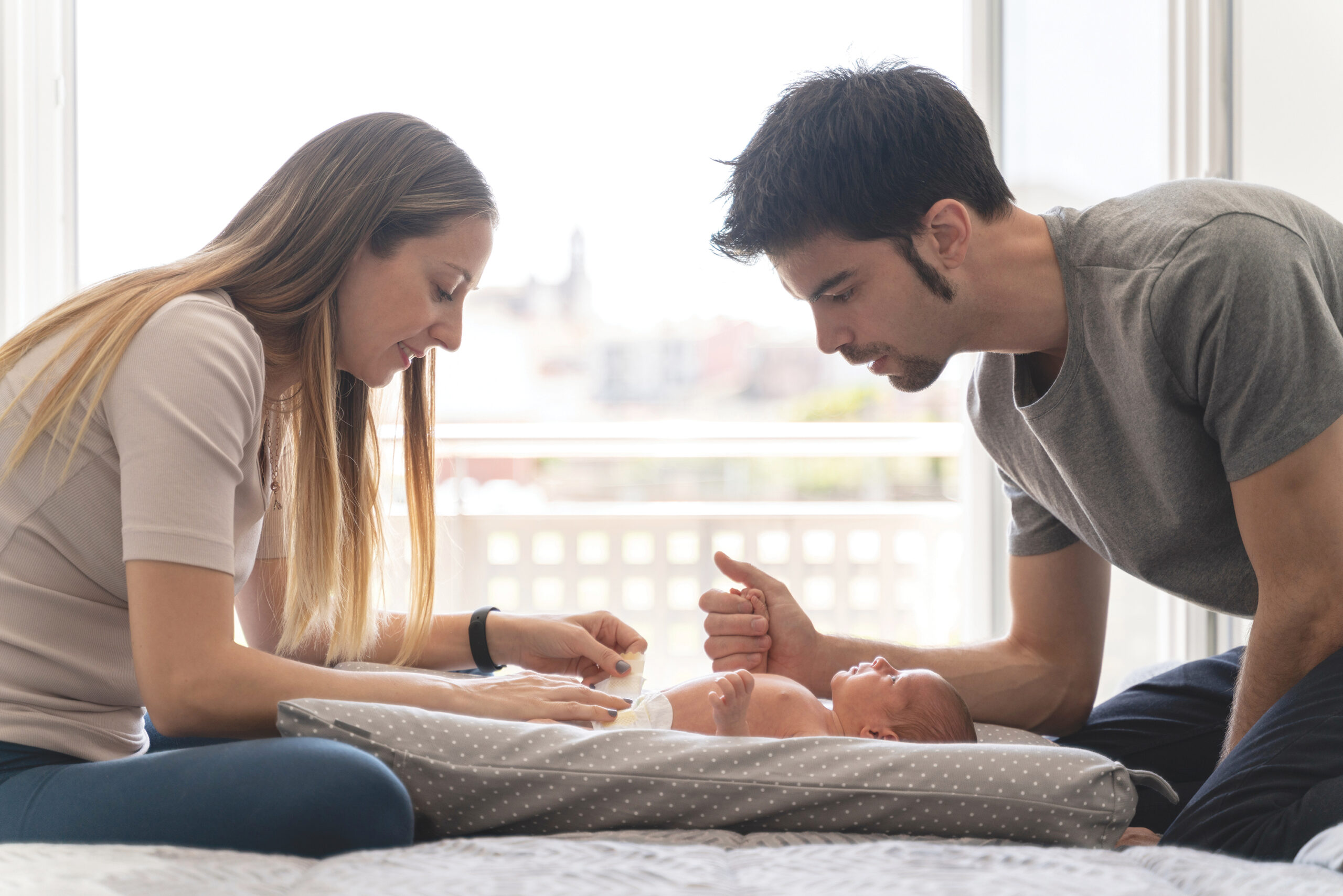
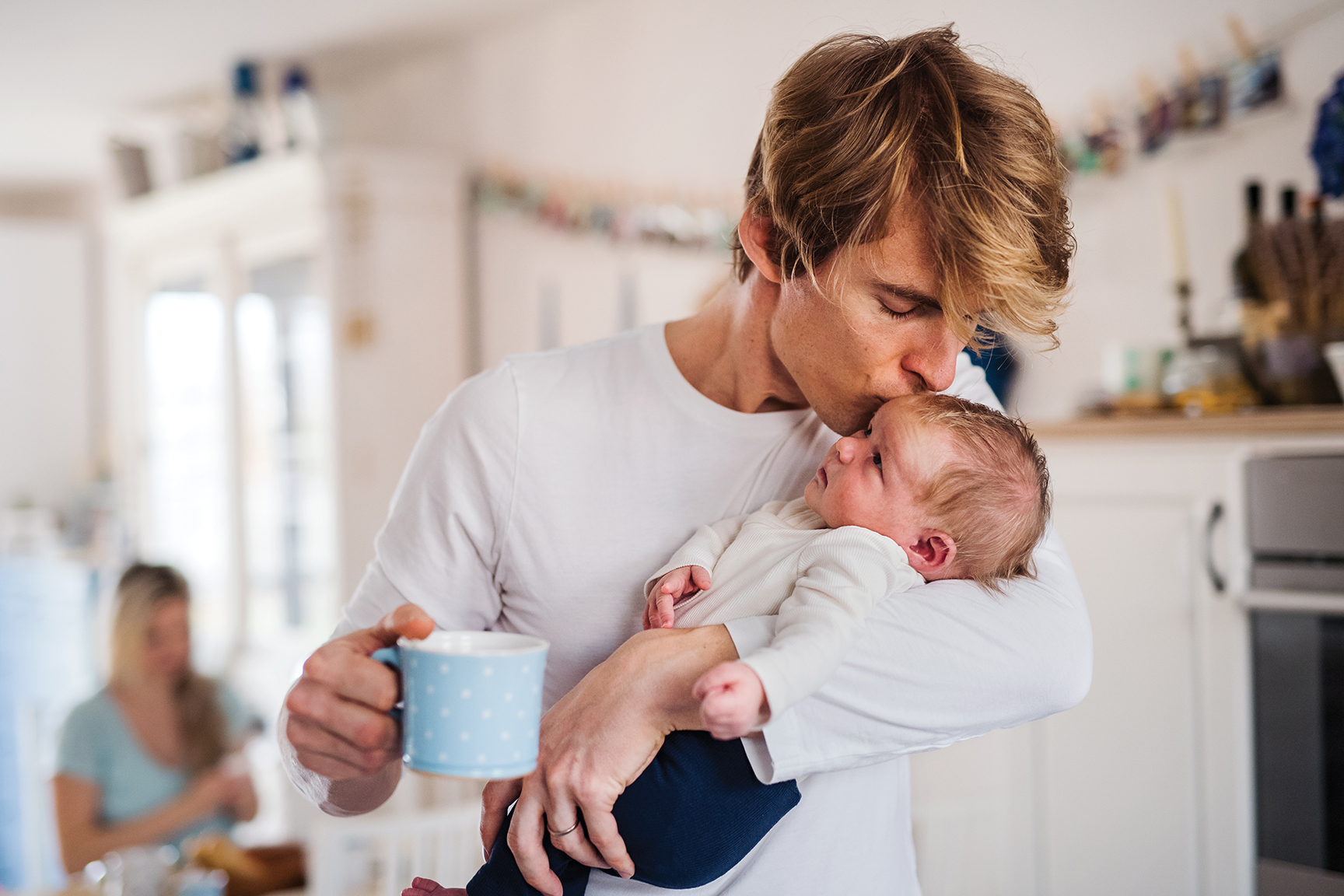
At the same time, many dads are stepping into something different, too. While older narratives cast fathers as simply helpers, a growing number are embracing a more active, hands-on, fully accountable role in parenting. They’re not just present — they’re participating, initiating and owning.
In The Equal Parent, author Paul Morgan-Bentley argues that this shift didn’t happen by accident. True equality requires both structural support and intentional behavior change. One of the most important factors? Starting early.
When dads take on real responsibility from the beginning — especially during infancy — they’re far more likely to remain confident, capable and consistently involved as the children grow. In other words: equal parenting isn’t something you ease into later. It’s something you build from day one.
Why Equal Parenting Works
This shift isn’t just ideological — it’s practical.
When parenting becomes a true partnership:
• mothers experience less stress and burnout
• relationships become more balanced and less resentful
• children benefit from deeper connections with both parents
Instead of one person managing everything behind the scenes, both parents are engaged, informed and invested. That changes the entire tone of a household.
From “Helping” to Owning
One of the biggest mindset shifts happening right now is moving away from the idea that dads “help” or “babysit.” Because both of these ideas imply that parenting belongs to someone else. Equal parenting means both people own it.
That includes:
• knowing what needs to be done without being asked
• taking initiative
• managing entire domains (not just tasks)
• carrying mental responsibility, not just physical effort
It’s a shift that often requires uncomfortable — but necessary — conversations about division of labor, expectations and long-standing habits.
Building a System for Famiies
Of course, this isn’t happening in a vacuum. Work policies, parental leave, childcare access and cultural expectations all shape what’s possible at home.
As highlighted in The Equal Parent, when systems support fathers in taking leave and being present early on, it becomes much easier to establish lasting equality.
Because partnership doesn’t just depend on willingness (although that definitely matters) — it depends on opportunity.
Not a Passing Trend
What’s happening now doesn’t feel like a phase. It feels like a reset.
Mothers are no longer quietly compensating for imbalance. They’re advocating — for themselves, for their relationships and for a more sustainable version of family life.
And importantly, many fathers are responding. Not perfectly. Not all at once. But meaningfully. Because the goal isn’t a rigid 50/50 split. It’s something more realistic — and more powerful: Shared responsibility. Mutual respect. And a family dynamic where no one is carrying it all alone.