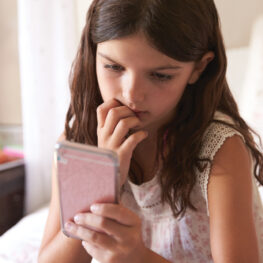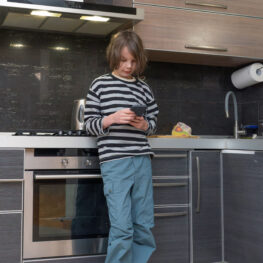


“My head hurts. Do I have to go to school?” your 8-year-old asks, eyes downcast, as he slowly gets dressed. He wanders the house looking for his shoes, pushes away his breakfast, and seems distant. Deep down, you know this isn’t about a cold or flu. It’s something harder to see — school anxiety.
If this scene feels familiar, you’re not alone. Many children experience anxiety about school, and it can show up in ways that don’t always seem obvious. As a parent, your response to their emotions plays a powerful role in helping them cope. Every child is different, and so is the way they express fear or stress.
What Is School Anxiety?
School anxiety is more than just “not wanting to go.” It can be a sign of deeper emotional struggles. According to Kristin M. Rager, M.D., a board-certified pediatrician, former owner of Rager Adolescent Health in Nashville and now chief of adolescent medicine for USA Health, “As many as one out of every eight children and adolescents may experience clinically significant anxiety.”
Recognizing it early can make a big difference in your child’s emotional well-being.
Common Signs of School Anxiety in Kids
Of course, childhood should be a happy time. So when kids, especially younger ones, aren’t able to explain what they’re feeling — you need to look at their behavior. Tamar Chansky, Ph.D., author of Freeing Your Child From Anxiety, says some of the most common signs of anxiety in children include:
-
Trouble sleeping or frequent nightmares
-
Complaints of physical symptoms like headaches or stomachaches
-
Difficulty getting ready in the morning
-
Tearfulness or emotional outbursts
-
Change in eating habits
-
Irritability, withdrawal, or becoming unusually quiet
-
Refusal to go to school
These symptoms can be your child’s way of saying, “I’m overwhelmed.”
As Rager notes, “Unchecked anxiety can interfere with participation in regular activities, so you definitely want to help before it gets to that point.”
Don’t Ignore Your Child’s Anxiety — Support Starts with Listening
Watching your child struggle with daily anxiety can be heartbreaking. As a parent, it’s natural to hope they’ll grow out of it — but sometimes, anxiety doesn’t go away on its own. If your child’s worries are starting to affect their everyday life — such as avoiding school, missing out on activities, or withdrawing from friends — it may be time to seek professional support.
“Children with daily anxiety can greatly benefit from meeting with a mental health professional,” says Rager, “Therapy can help them feel better and build coping skills as quickly as possible.”
In some cases, if anxiety becomes severe — especially if it’s preventing your child from attending school or functioning normally — your pediatrician may also recommend medication as part of a comprehensive care plan. “I always tell families that if anxiety interferes with your ability to do normal daily activities, you absolutely need to talk with your pediatrician,” Rager says.
Remember, mental health is health. Just as you would take your child to the doctor for a fever or injury, emotional well-being deserves the same attention and care.
Subscribe to our weekly Newsletter for parenting tips, top things to do, our #WINSday contest and lots more!

Discover More Outstanding Parenting Content