

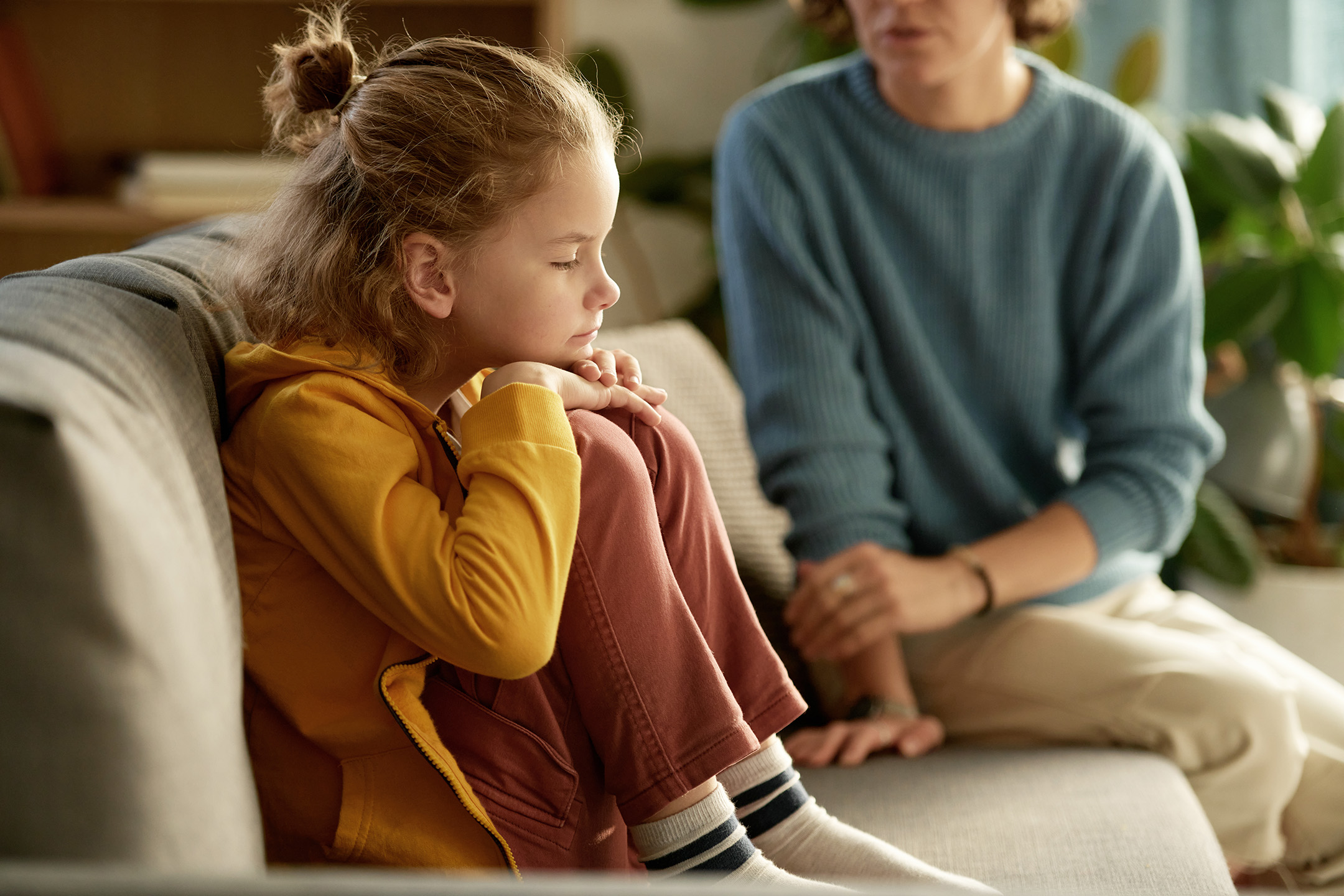
Will the kids be alright? It’s a question that weighs heavily on many parents’ hearts in 2025 — and for good reason. How do you help your child cope?
According to the Pew Research Center, nearly three out of four parents worry their child might struggle with anxiety or depression, and almost 70% say parenting feels harder due to the constant presence of social media and technology.
The mental health challenges kids face today are deeply concerning. In fact, U.S. Surgeon General Vivek Murthy declared youth mental health a national public health crisis in 2021, calling the emotional toll on children “unprecedented and uniquely hard to navigate.”
From school shootings to polarizing news events — and now even political violence — children are being exposed to more emotionally complex and frightening realities than ever before. As a parent, it’s natural to feel unsure about how to talk to your child about these heavy topics without increasing their anxiety.
But here’s the good news: There are age-appropriate, effective ways to help your child feel safe, supported, and emotionally resilient.
What You Can Do to Support Their Kids’ Mental Health Right Now?
Psychologists agree that while you can’t (and shouldn’t) shield kids from reality, reassurance and emotional safety are key.
“Reassure your children that you will do everything you know how to do to keep them safe and to watch out for them … and that they are loved,” advises the American Psychological Association (APA).
Here are APA research-backed strategies to help you support your child’s mental well-being, no matter their age, to help your child cope:
1. Reassure First, Explain Second
Even when scary things happen, kids need to hear that most events are rare, and that adults are working hard to keep them safe — at school, at home, and in their communities.
2. Limit Exposure for Younger Kids
Children under age 10 often struggle to separate fact from fear. You can help your child cope by:
-
Turning off the news around little ones
-
Monitoring what they see on YouTube or TikTok
-
Staying calm yourself — because kids pick up on your anxiety, just like passengers watch each other’s faces during airplane turbulence
3. Look for Subtle Cues
Some kids may not directly say they’re scared — but they might linger near you, ask more questions, or act out. If your child is showing signs they want to talk, open the door gently:
-
“I noticed you’ve been quiet since yesterday’s news. Want to talk about it?”
-
“You can always ask me anything. I’m here.”
If your child isn’t asking, it’s okay not to bring up traumatic news unless it’s directly affecting them.
4. Speak at Their Developmental Level
What comforts a preschooler won’t work for a teenager. Tailor your message to their age:
Young Children (Pre-K to Grade 2)
Keep explanations simple and brief. Focus on immediate safety:
“Your school is a safe place. The doors are locked, and your teachers know what to do to keep you safe.”
Upper Elementary & Early Middle School
These kids are curious and ask tough questions. Help them separate fact from fear and talk about the safety measures in place at school and in the community.
Teens & High School Students
Teens may have strong opinions and need a space to process their emotions and share ideas. Encourage open discussions. Talk about their role in creating a safer environment by reporting concerns, following school safety rules, and seeking help when needed.
5. Stick to Routines
Maintaining a consistent daily routine—meals, bedtimes, activities—gives kids a sense of stability and safety, even when the world feels unpredictable.
Parenting in 2025 is not easy. The world is complex, and your concern for your child’s mental health is not only valid — it’s shared by millions of other families. But with the right tools, calm reassurance, and developmentally appropriate conversations, you can help your child build resilience, feel safer, and stay emotionally grounded in uncertain times.