

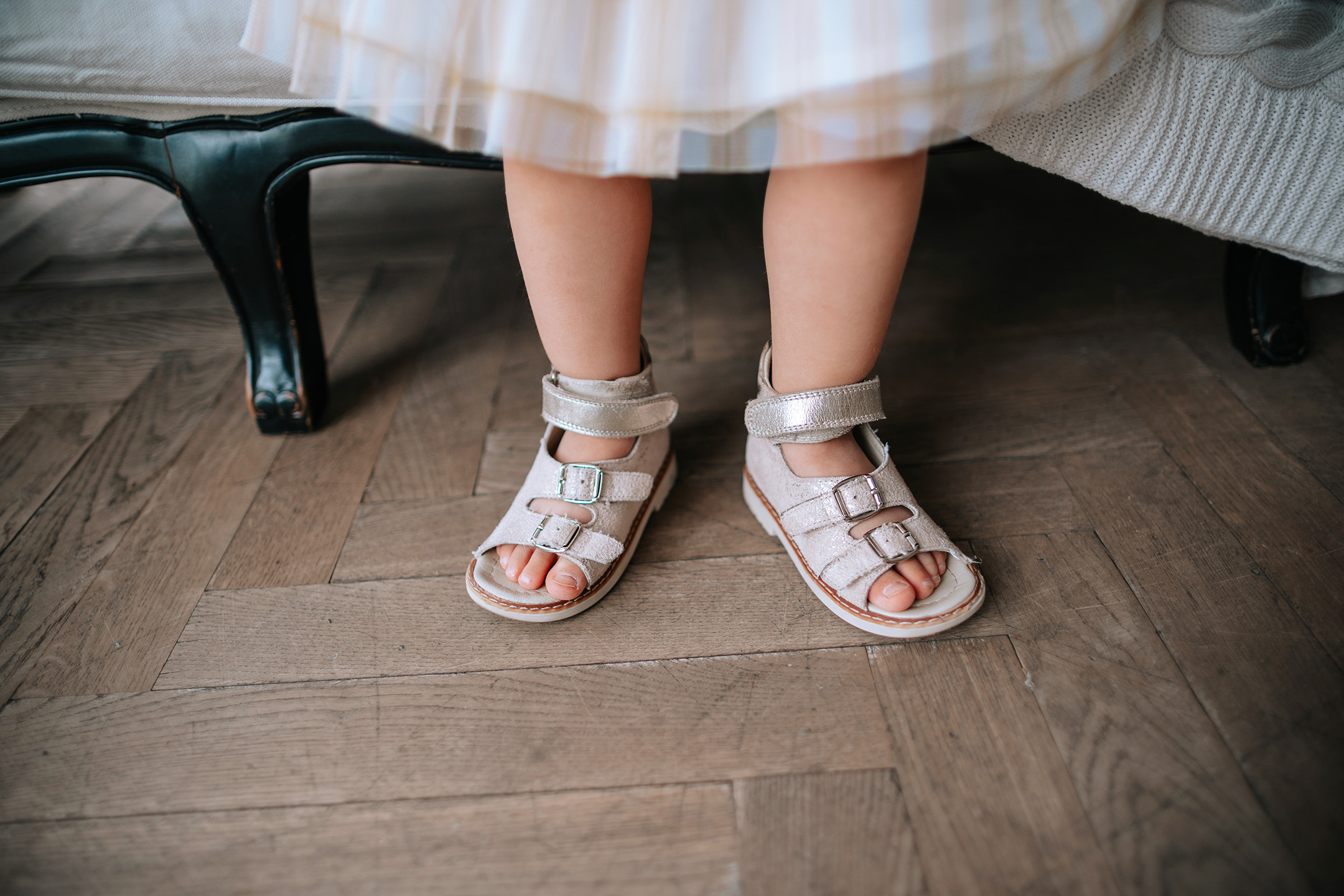
You come home from a walk and say to your 3-year-old, “OK, time to put your shoes away.” Sounds simple enough, right? But for a young child still developing executive function skills, language processing, and independence, it’s not always that straightforward, unless you understand a 3-year-old.
At 3, children are in a sweet (and sometimes spicy) spot developmentally. They’re learning so much about the world — and about themselves. Their language is blooming, their emotions are big, and their desire for autonomy is stronger than ever. All of this can make even routine tasks a bit … unpredictable.
Here’s how to work with your 3-year-old’s developmental stage and keep communication clear, respectful, and encouraging.
Give Clear, Simple Directions
At age 3, kids are still learning how to follow multi-step instructions. What feels obvious to us — like “put your shoes away” — may feel vague or overwhelming to them.
Try this instead:
Break down the task and keep it concrete. For example:
“Take off your shoes.”
“Now, put them on the mat.”
“Be specific,” says Laura Phillips, a clinical child psychologist. “Don’t assume kids know exactly what you mean.” At this age, even small tasks can require mental energy and focus, and kids are easily distracted.
Remember, your 3-year-old wants to do the right thing most of the time — but they need help knowing exactly what that looks like.
Label and Validate Their Big Feelings
Three-year-olds are starting to understand and express emotions, but they still need help managing them. Whether it’s frustration over the blue cup instead of the red one, or sadness about leaving the park, those feelings are very real to them, says Erika Christakis, author of The Importance of Being Little: What Young Children Really Need from Grownups.
You can help by naming their emotions and showing empathy:
“You’re feeling mad because you wanted the red cup.”
“I see you’re upset. It’s hard to leave when you’re having fun.”
Labeling emotions helps your child build emotional literacy—and shows them they’re not alone in their big feelings.
Offer Choices to Support Growing Independence
Three-year-olds crave control and independence — it’s a healthy, normal part of their development. But too much freedom can feel overwhelming.
Instead of giving orders, try offering two choices:
“Do you want the dinosaur shirt or the rainbow one?”
“We’re not having cookies right now. Would you like apples or grapes?”
This approach helps your child feel empowered while keeping boundaries in place.
And when possible? Let the little stuff go. As Phillips says, “Pick your battles.” If they want to wear mismatched socks, maybe today that’s okay.
Keep Language and Routines Consistent
Three-year-olds thrive on routine and repetition — it helps them feel safe and confident. You’ve probably noticed how they can ask for the same book or song over and over (and over). That’s not just stubbornness — it’s how they learn.
Keep your language simple and consistent:
“Time to clean up”
“Last book, then bedtime”
“Shoes go by the door.”
When you use the same phrases regularly, your child begins to understand expectations more clearly — and is more likely to follow through.
Tip: Share your go-to phrases with caregivers, teachers, or grandparents so everyone is reinforcing the same language and expectations.
Focus on Positive Attention
It’s easy to jump in when your child is misbehaving — after all, yelling “No throwing!” gets immediate attention. But 3-year-olds are wired to seek connection, and even negative attention can reinforce unwanted behavior.
Catch them being good and name what they’re doing right:
“I saw you put your toys back on the shelf — great job listening!”
“Thank you for using gentle hands with your brother.”
Positive reinforcement teaches kids what to do, rather than just what not to do.
Be Clear About Safety (And Practice Ahead of Time)
When it comes to safety, 3-year-olds need simple, concrete rules repeated often. Practicing in calm moments can help those lessons stick when it matters most.
Before heading outside, say:
“What do we do before crossing the street?”
Encourage your child to answer: “Hold hands.”
In the moment, avoid vague phrases like “Stop!” Instead, use direct and specific language:
“Freeze! Stay on the sidewalk.”
“Hot! Hands off.”
Clear, consistent messages help kids respond quickly and safely.
Take a Break When You Need To
Even with all the best strategies, some days are just hard. And that’s OK. If your child is melting down and you feel yourself starting to do the same, pause. Step back. Breathe. If possible, tag in another adult or take a quick moment to reset.
“Moments when either the child or the parent is upset are not the time to press your point,” says Phillips. Giving yourself space isn’t failure — it’s modeling emotional regulation.
Give Yourself Grace
You’re human. You will raise your voice sometimes. You’ll lose your patience. And then you’ll feel bad. But those imperfect moments? They’re opportunities, too.
“Go back later and say, ‘I was feeling frustrated, and I didn’t handle that the way I wanted to. I’m sorry,’” suggests Phillips. “This teaches your child that it’s OK to make mistakes — and it’s important to make amends.”
The Bottom Line
Your 3-year-old is learning so much — how to talk, listen, feel, cooperate, assert themselves, and navigate a world that’s still very big and confusing. They need your guidance, your calm leadership, and your love — even (especially) when things get messy.
And you? You’re doing better than you think.
Subscribe to our weekly Newsletter for parenting tips, top things to do, our #WINSday contest and lots more!

YOU MAY ALSO LIKE:
How to Raise an Independent Kid