
As parents, we all want our kids to grow up happy, confident, and connected to the world around them. One of the best ways to help kids build meaningful relationships (and feel truly understood) is by teaching them how to communicate — not just with texts and emojis, but with face-to-face conversations.
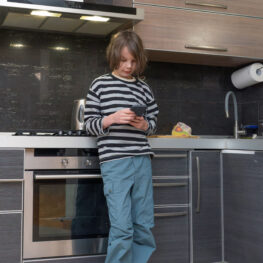
Talking in person is the secret sauce to great relationships. It’s how we learn to read body language, hear emotion in someone’s voice, and truly connect. But honestly, in today’s world of screens and scrolling, real conversations are becoming rare. Kids (and parents!) are spending more time typing than talking, and that can make it harder to build meaningful connections.
Today’s kids aren’t spending as much time with their friends in person, face-to-face, where they can really read each others’ emotions and get that social support, according to author Jean Twenge, a professor of psychology and author of the best seller Generations: The Real Differences Between Gen Z, Millenials, Gen X, Boomers and Silents — and What They Mean for America’s Future.
“We know from lots and lots of research that spending time with other people in person is one of the best predictors for psychological well-being and one of the best protections against having mental health issues,” Twenge says.
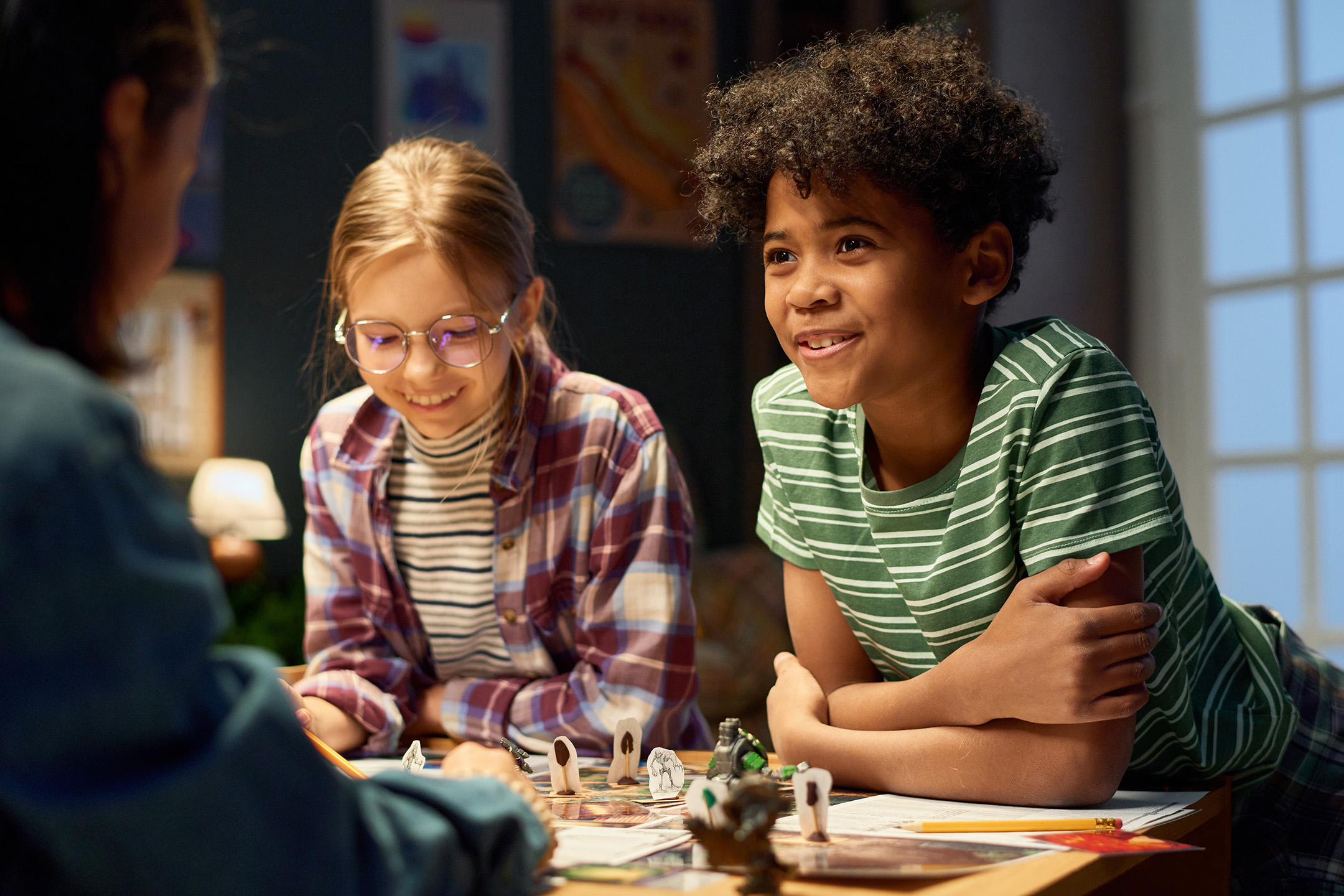
As a parent, you can make face-to-face communication fun, natural, and a part of everyday life again starting with simple, playful ways to help your kids become confident little conversationalists!
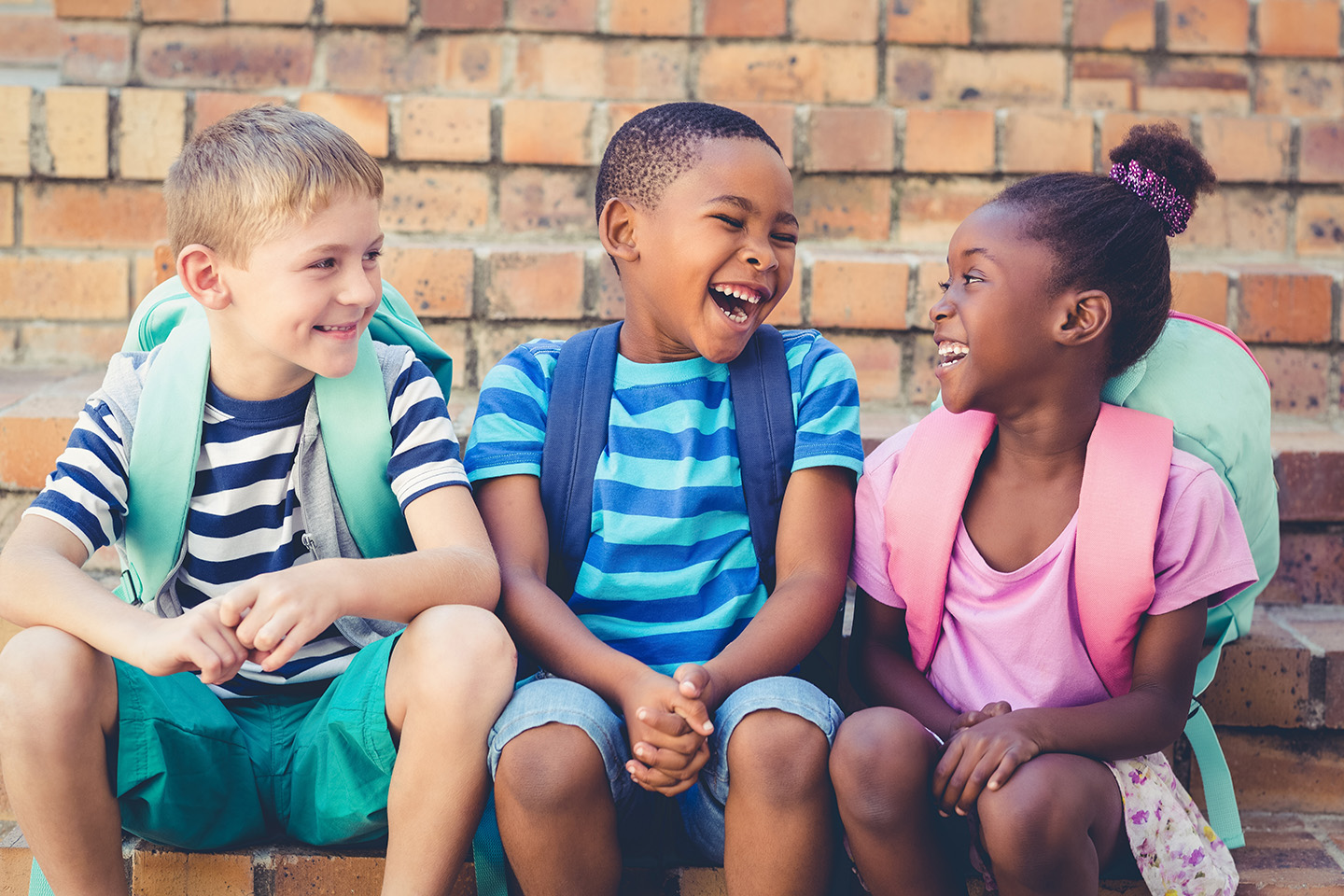
Nothing can replace the feel-good-inside connectivity kids have when they are in person with friends.
Why Face-to-Face Conversations Matters
(and What Happens When We Skip It)
Let’s face it — it’s easier than ever for all of us to send a quick text or hop on a video call. But when screen time starts replacing real-time, we lose something important: true connection that feels good inside.
Twenge says that parents need to be aware that kids spending endless hours on their phones is not harmless.
“If your kids are spending a lot of time on the phone, they it may take away from activities that might be more beneficial for psychological well-being, like spending time with people in person,” she says.
When Face-to-Face Conversations Become Rare:
Friendships Start to Feel … Flat
Whether it’s siblings, classmates, or even parents, strong relationships need real conversations. Texts and snaps can’t capture a hug, a giggle, or that look you give each other when you both just get it.
Teamwork Gets Tricky
From school projects to playground games, being able to talk things out face-to-face helps kids learn to listen, share ideas, and solve problems together — without misunderstandings or “Wait, what did you mean by that?” moments.
Feelings Get Bottled Up
Believe it or not, chatting in person is great for mental health! It helps kids feel seen and heard — literally. But when screen time replaces people time, feelings like loneliness and anxiety can sneak in.
Now, don’t worry — we’re not saying throw the tablets out the window (phew!). The American Academy of Pediatrics puts forth that technology isn’t the villain, but how we use it can be. You’re not going to ban screen time but in wanting your kids to have more connectivity in person, you will need to teach them to balance it with real talk, real laughs, and real connection.
Want to help your child build social confidence and communication skills they’ll use for life? It can be fun, simple, and even a little silly — and it starts with bringing more face-to-face time into everyday life.
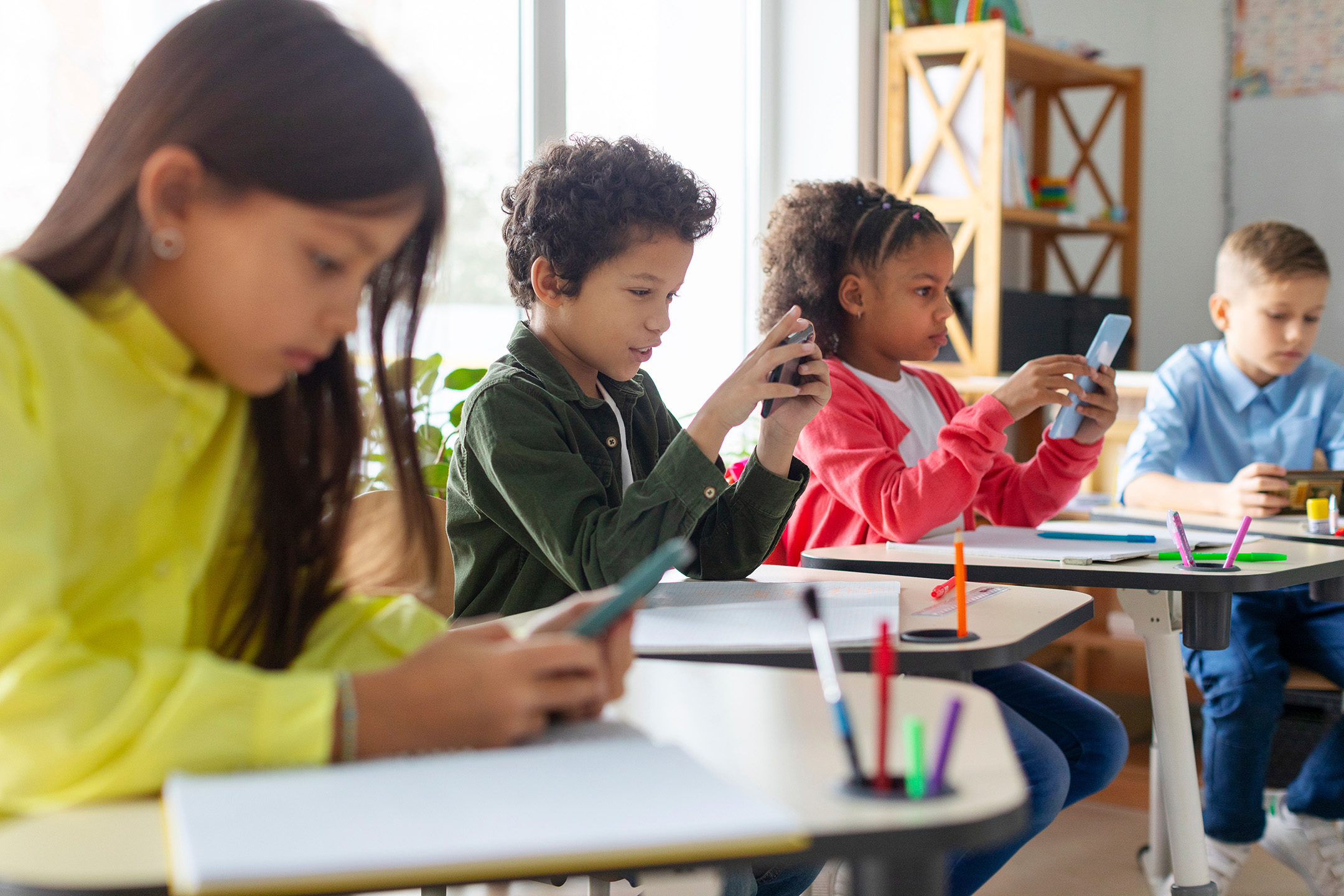
We all love our technology — and it’s not going anywhere — but kids need to know the great feeling of connecting with others in person.
Bringing Back Face-to-Face (The Fun Way!)
So, how do you help your kids put down the screens (at least for a little while) and build the kind of people skills that last a lifetime? With a few small tweaks to their daily lives kids can become confident, thoughtful communicators who actually enjoy talking face-to-face.
Here’s how to get started:
1. Make Face-to-Face Fun (and Normal!)
It doesn’t have to be serious or structured — just more human moments. Instead of texting your child from the other room (we’ve all done it!), pop in for a quick chat. Plan weekly family game nights, go on “talking walks,” or start dinner with a silly question everyone has to answer. Kids learn by watching — if we make face-to-face time a priority, they will too.
2. Build Communication Skills Early
The sooner kids practice real conversations, the easier it becomes. Encourage them to order their own food, say hello to neighbors, and strike up a chat with a friend. You can even role-play common scenarios — like introducing themselves to a new kid. The best way for your kids to learn is by watching you when you’re together. So YOU have to pick your head up from your phone and demonstrate what you mean.
3. Use Tech — Just a Little More Mindfully
Try creating “no-phone zones” during meals or family time. Start a weekly “Unplug Hour” where everyone puts their devices away and connects in real time (board games, baking, silly charades — go wild!). It’s not about cutting tech out — it’s about keeping people in.
Here’s the Big Picture:
Kids are born to connect. They want to be seen, heard, and understood — just like we do. And while emojis and voice notes are cool, nothing replaces a real smile, a shared laugh, or a heartfelt chat.
The question isn’t can we bring real communication back — it’s will we make it a priority?
If you make it a priority, you won’t just teach your kids to talk, you’ll teach them to connect. And that’s a skill that will give them an edge that will carry them through life.
Subscribe to our weekly Newsletter for parenting tips, top things to do, our #WINSday contest and lots more!