


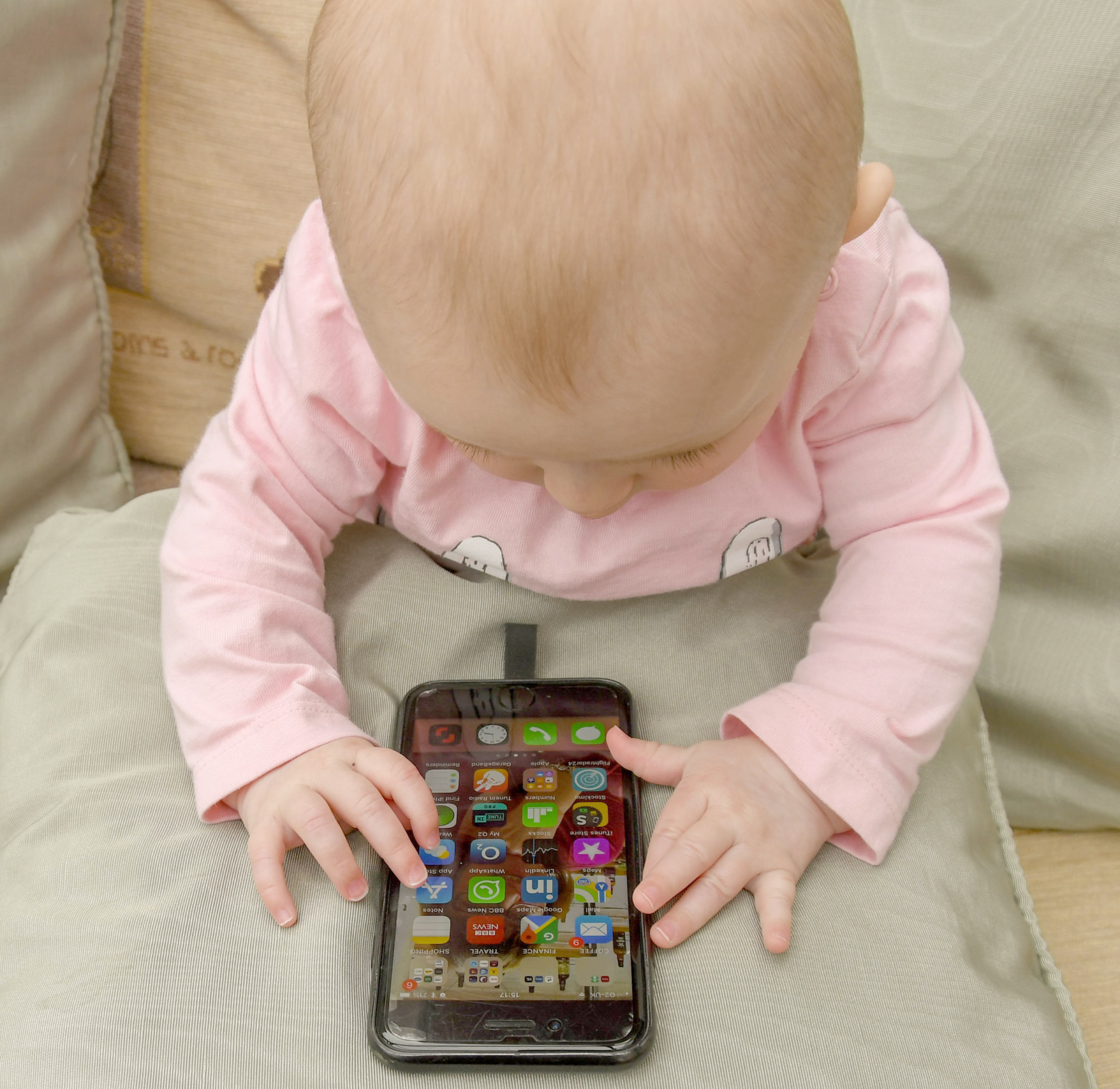
Parents everywhere know it’s incredibly difficult to navigate the world of technology with kids. We want them to stay connected and safe, but a recent study gives pause, and it’s important to talk about it. The study, published in the Journal of Human Development and Capabilities, looked at more than 100,000 young adults, ages 18 to 24.
What it found is concerning: children — especially girls — who had their own smartphones before the age of 13 showed worse mental health outcomes later on. These young adults reported higher levels of emotional struggles, including aggression, detachment, even hallucinations and suicidal thoughts. And the earlier they got their smartphones, the more these symptoms seemed to increase. Not every child will be affected in the same way, but it’s a reminder of how powerful these devices are — especially for young, developing minds.
 READ MORE!
- Taking Away Your Kid’s Phone? Read This First!
- Best Age for a Cell Phone? Is There One?
- Phones: Let’s Not Mess Up Our Toddlers!
So When is the “Right” Time for a Smartphone?
If you’re a parent wondering when the “right time” is to introduce a smartphone, you’re not alone. This research suggests that you may want to wait a bit longer. This is so you can have more open conversations, and think carefully about how and when your child is ready for this smart technology.
The study also found that giving children smartphones too early may actually hurt their self-esteem. Both boys and girls who got phones at a young age were more likely to feel badly about themselves later on. Girls in particular reported feeling less confident and emotionally resilient. Boys said they felt less calm, less stable, and even less empathetic toward others.
The study’s findings come amid an effort led by social psychologist Jonathan Haidt, author of the instant New York Time’s bestseller, The Anxious Generation. Haidt has proposed setting nationwide “norms” or guidelines. These include not giving children a smartphone before high school, no social media before age 16 and establishing schools as phone-free zones.
The study’s researchers concur. They say the younger a child gets a smartphone, the more exposure to everything impacts them psychologically and shapes the way they think and see the world.
So what can we do as parents?
-
Delay the phone if you can. Every extra year without one might help build stronger self-worth and emotional resilience.
-
If your child already has a phone, stay involved. Talk to them regularly about what they’re seeing, how it makes them feel, and what’s going on in their digital world.
-
Model healthy tech habits. They’re watching how we use our devices, too.
-
Consider alternatives. A simple phone with talk and text might be enough to stay connected without opening the door to everything else.
-
Start the conversation. Ask how your child is feeling emotionally, both online and offline.
-
Set boundaries gently. Even if they already have a phone, it’s never too late to set new limits or take breaks together.
-
Stay connected. Let your child know they can always come to you without fear or judgment.
-
Be kind to yourself. Parenting in the digital age is no small feat. You’re doing better than you think.
Subscribe to our weekly Newsletter for parenting tips, top things to do, our #WINSday contest and lots more!

Discover More Parenting Content and Things to Do!