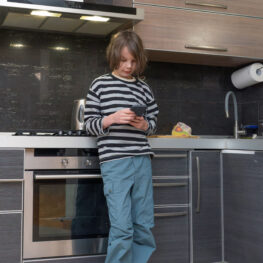


Sure, you already know that acronyms like “LOL” or “BRB” are just shortcuts kids use to text faster. But there’s a growing digital language that’s far more complex — and much easier to miss: texting codes.
Texting codes go beyond simple acronyms. They’re a mix of letters, numbers, symbols, slang, and even emojis — designed to carry hidden meanings and kids are using them constantly. Sometimes it’s for convenience, but sometimes it’s to stay under the radar of someone — like a watchful parent.
So there’s the issue. Codes are meant to be confusing to adults. Unlike acronyms, texting codes can appear completely innocent while hiding risky behavior.
For example:
? might seem like a fun emoji — but it’s often used to reference marijuana.
“Seggs” may look like a typo — but it’s a deliberate code word for sex.
As Erin Walsh, author of It’s Their World: Teens, Screens, and the Science of Adolescence explains, “Texting codes can absolutely be used to hide behavior. But they can also be a way for teens to connect, feel included, and express identity within their peer group.”
Understanding the difference — and being aware of both the risks and the intent behind these codes — is essential for you. By staying informed, you’re better equipped to have meaningful conversations with your kids about digital communication, peer pressure, and online safety.
Popular Acronyms and Meanings
Here are some of the most common acronyms used by kids today:
BRB – “Be right back”
BTW – “By the way”
FOMO – “Fear of missing out”
GOAT – “Greatest of all time”
GTG – “Got to go”
GR8 – “Great”
IMO – “In my opinion”
ISO – “In search of”
IYKYK – “If you know you know” (meant to imply that there’s an inside joke)
ILY – “I love you”
IRL – “In real life”
JK – “Just kidding”
KMS – “Kill myself”
KYS – “Kill yourself”
L8R – “Later”
LMAO – “Laughing my ass off”
LOL – “Laugh(ing) out loud”
NP – “No problem”
OMW – “On my way”
OFC – “Of course”
ROTF – “Rolling on the floor” (typically in laughter)
SMH – “Shaking my head” (“I don’t believe it” or “that’s so dumb”)
STFU – “Shut the f**k up”
TBH – “To be honest”
TYVM – “Thank you very much”
WYD – “What you doing?”
WTF – “What the f**k?”
WYA – “Where you at?”
WYD – “What you doing?”
WUF – “Where you from?”
Texting Codes and Meanings
These code-like acronyms have underlying meanings that kids may want to keep hidden:
ASL – “Age/sex/location”
CD9 or Code 9 – “Parents are around”
DTF – “Down to f*ck”
FBOI – “F*ck boy” (or a guy just looking for sex)
FWB – “Friends with benefits”
LMIRL – “Let’s meet in real life”
NP4NP – “Naked pic for naked pic”
POS – “Parent over shoulder”
TDTM – “Talk dirty to me”
Some “texting codes” are more than just internet speak — they can be red flags for serious mental health struggles, including self-harm. Experts are raising alarms: Certain codes shared on social media and in texts are linked to real signs of distress. That makes one thing clear — you need to be able to recognize when a message is more than just slang.

Before you take away your kid’s phone, consider the potential negative impacts such as increased secrecy, emotional withdrawal and strain on your relationship.
READ MORE!
Online Safety for Kids in the Age of A.I.
Taking Away Your Kid’s Phone? Read This First!
Codes That Should Raise Immediate Concern
If you see any of these terms in your child’s texts, social media posts, or comments, take notice and take action:
KMS – “Kill myself”
KYS – “Kill yourself”
STFU – “Shut the f*** up” (can be casual among friends, but used online, may be cyberbullying)
Unalive – A coded way to say “dead” or “suicide”
Sewerslide – Slang for “suicide”
Grippy sock vacation – A joke referencing psychiatric hospitalization
Menty b – Short for “mental breakdown”
I had pasta tonight – Secret phrase for having suicidal thoughts
I finished my shampoo and conditioner at the same time – Code for suicidal ideation
Subscribe to our weekly Newsletter for parenting tips, top things to do, our #WINSday contest and lots more!

These may seem confusing or even humorous at first glance — but many are intentionally designed to fly under adult radar. If your child is acting unusually withdrawn, anxious, or secretive, it may be a sign that something is going on beneath the surface — and today, much of that “beneath the surface” lives on their phone.
While respecting your child’s privacy is important, their safety is even more critical. Sometimes, checking their phone isn’t about spying — it’s about protecting them. From bullying and harmful online trends to secret code words that could signal mental health struggles or risky behavior, what you don’t see could hurt them. A sudden change in behavior may be their way of asking for help without knowing how to say it. Gently and respectfully checking in on their digital world — especially during concerning times — can be a vital step in catching warning signs early and opening the door to support and connection.